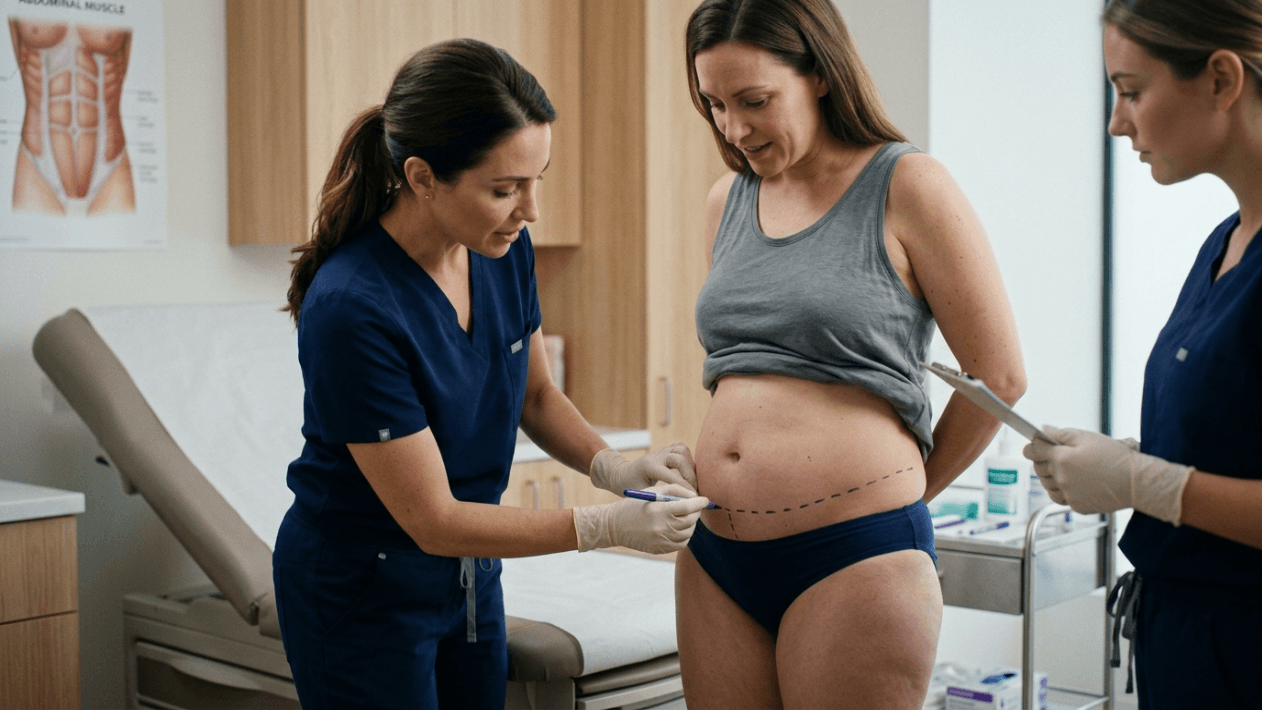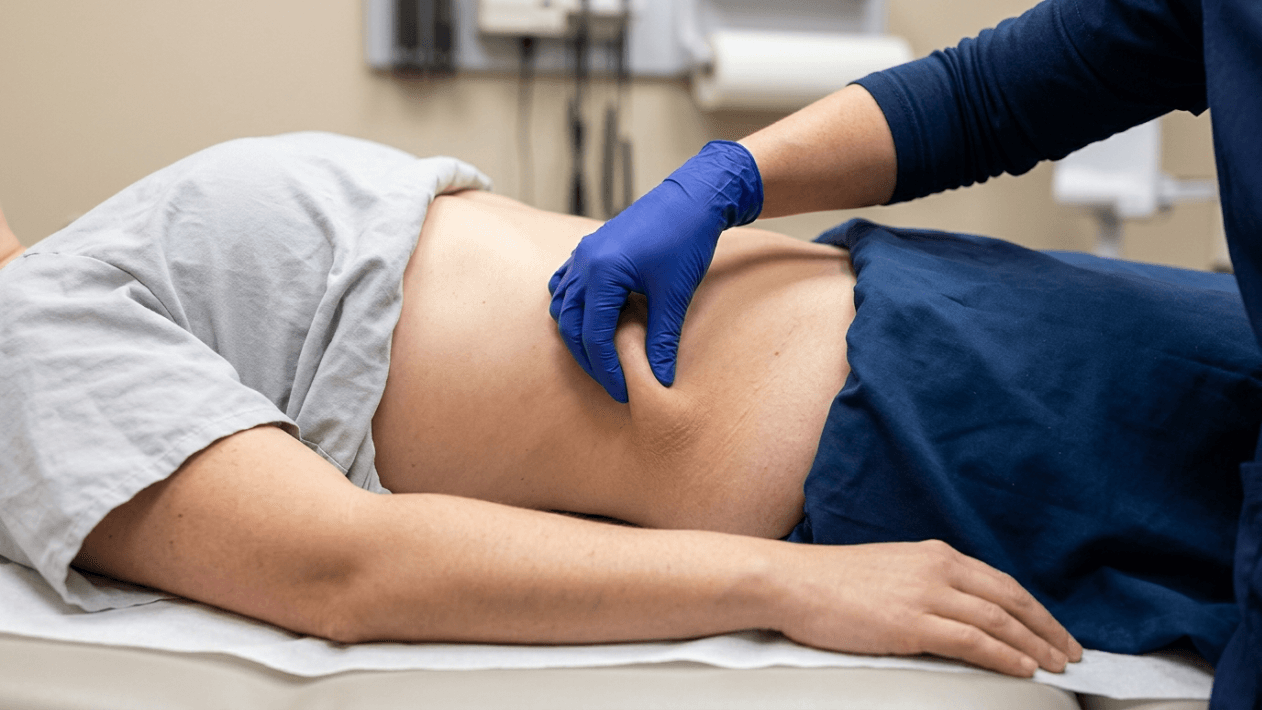

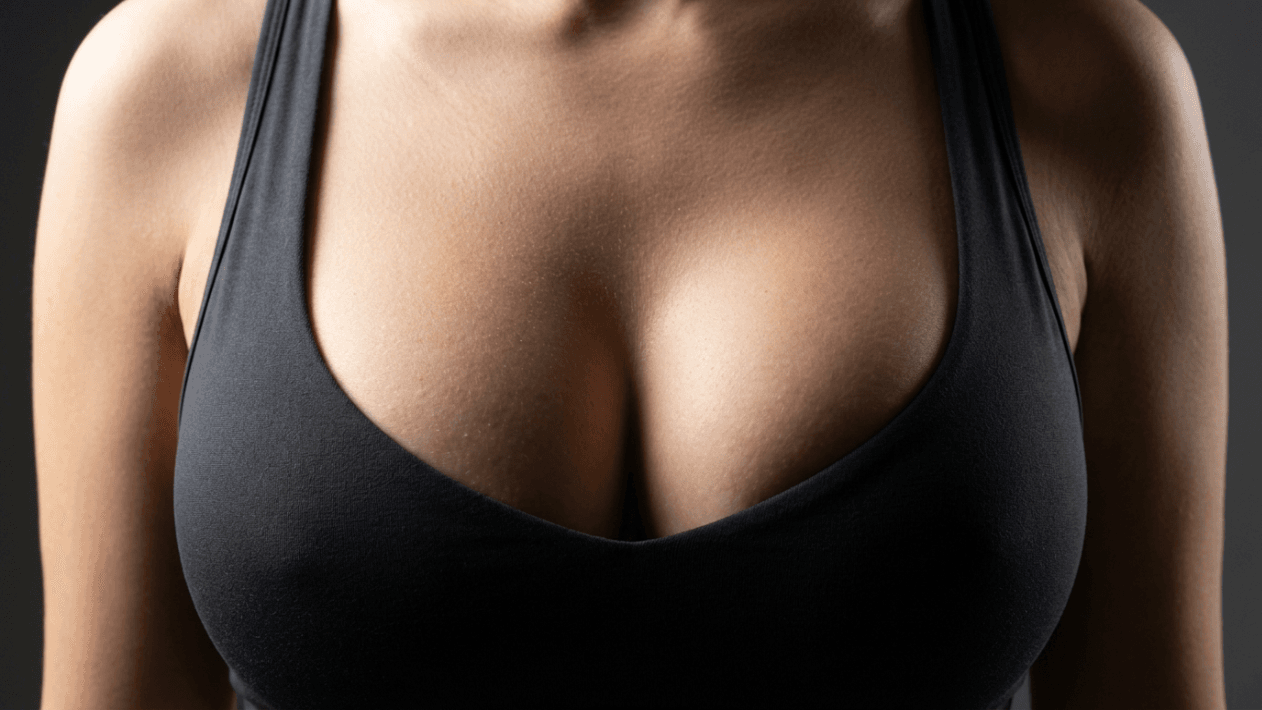
In 2026, breast augmentation remains one of the most sought-after cosmetic procedures worldwide. Yet, despite advancements in surgical techniques and implant technology, a significant number of patients still face complications that can compromise both aesthetic outcomes and long-term satisfaction. While most surgeons focus on implant size, shape, and placement, three critical—yet often overlooked—anatomical metrics can determine whether your breast augmentation succeeds or fails: implant pocket dynamics, capsular integrity, and breast aesthetic metrics. These factors are the silent architects of your results, and ignoring them can lead to implant displacement, capsular contracture, and aesthetic dissatisfaction within months of surgery.
The Anatomy of Failure: Why Most Breast Augmentations Are Set Up to Disappoint
Breast augmentation is not merely about inserting an implant into the breast. It is a complex interplay of surgical precision, anatomical compatibility, and biological response. The human breast is not a static structure; it is a dynamic system influenced by gravity, muscle movement, and soft tissue elasticity. When surgeons overlook the foundational metrics that govern this system, the stage is set for complications. Here’s what most patients—and even some surgeons—miss:
- Implant Pocket Dynamics: The pocket created for the implant must be precisely tailored to the implant’s dimensions and the patient’s anatomy. An overly large pocket can lead to implant displacement, while an overly tight pocket can increase the risk of capsular contracture.
- Capsular Integrity: The body naturally forms a capsule of scar tissue around any foreign object, including breast implants. The quality and behavior of this capsule are critical to the long-term stability and appearance of the implant.
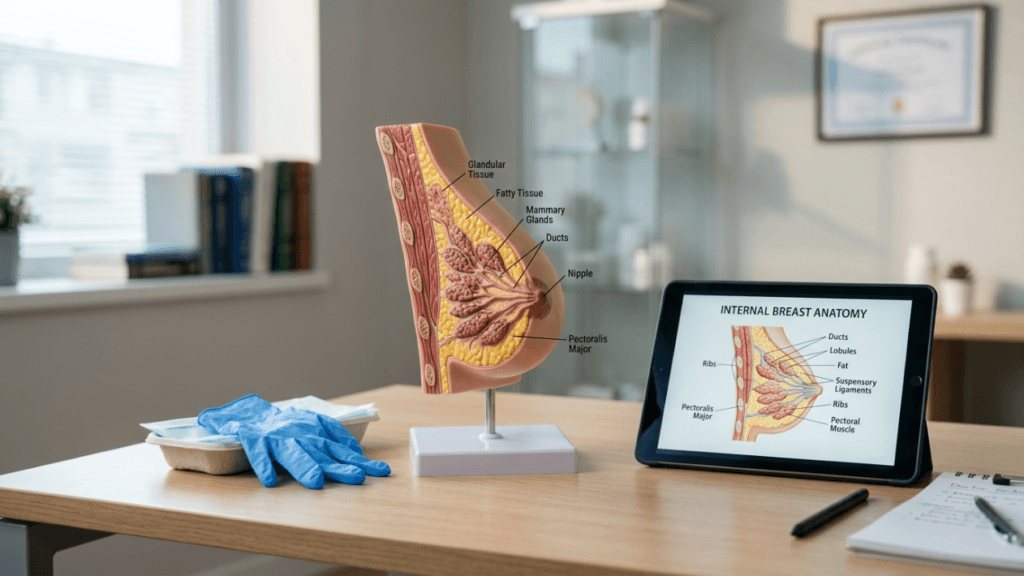
- Breast Aesthetic Metrics: Beyond the implant itself, the natural anatomy of the breast—such as the inframammary fold, breast footprint, and tissue thickness—must be carefully evaluated to ensure harmonious results.
In this article, we expose the three hidden metrics that surgeons often ignore, explain why they matter, and reveal how addressing them can transform your breast augmentation from a gamble into a guaranteed success.
Metric 1: Implant Pocket Dynamics—The Invisible Force That Dictates Your Results
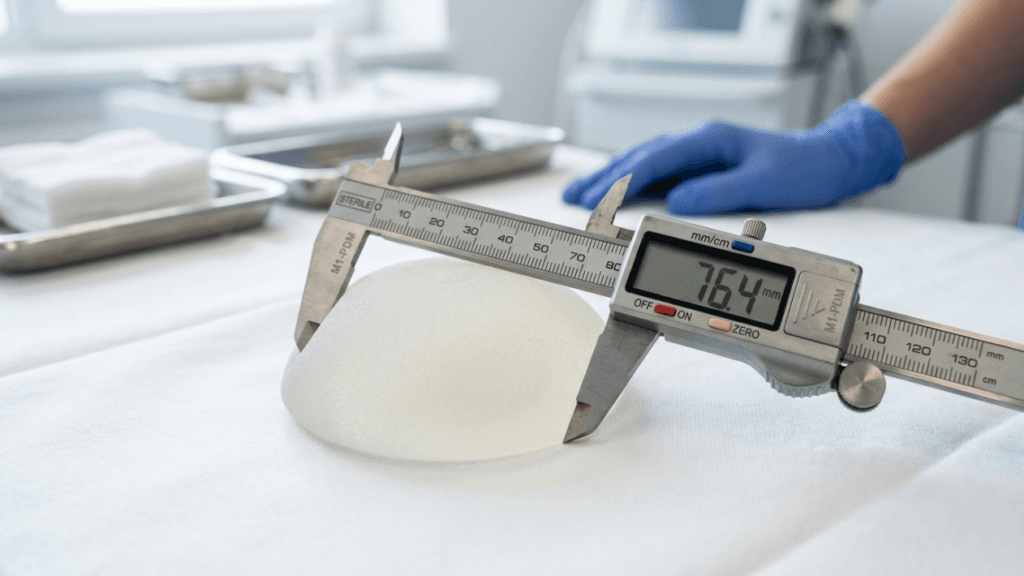
The implant pocket is the foundation of your breast augmentation. It is the space created by the surgeon to house the implant, and its dimensions, shape, and stability are critical to the final outcome. Yet, many surgeons rely on outdated techniques or subjective judgment to determine pocket size, leading to a host of complications:
- Implant Displacement: If the pocket is too large, the implant can shift from its intended position, resulting in asymmetry, lateral displacement (implants moving toward the armpits), or inferior displacement (implants dropping too low). Studies show that implant displacement is one of the leading causes of revision surgery, accounting for up to 20% of all breast augmentation revisions (ResearchGate, 2025).
- Capsular Contracture: A pocket that is too tight can compress the implant, increasing the risk of capsular contracture—a condition where the scar tissue around the implant hardens and tightens, causing pain, distortion, and an unnatural appearance. Research indicates that capsular contracture occurs in 3-15% of primary augmentations, with higher rates in revision surgeries (MDPI, 2026).
- Rippling and Palpability: An improperly sized pocket can lead to visible rippling or the ability to feel the edges of the implant through the skin, particularly in patients with thin tissue coverage.
Why Surgeons Ignore It: Many surgeons rely on traditional methods, such as manual dissection or visual estimation, to create the implant pocket. However, these approaches are inherently imprecise. In 2026, cutting-edge clinics like Dr. Sibel Atalay’s International Clinic use advanced techniques like intraoperative air augmentation—a method where air is temporarily introduced into the pocket to assess its dimensions and ensure a snug, stable fit for the implant (Europe PMC, 2026). This technique reduces the risk of displacement and contracture by ensuring the pocket is neither too large nor too small.
The 6-Month Correction Window: Why Early Intervention Is Critical
The first six months after breast augmentation are a critical period for monitoring and correcting pocket dynamics. During this time, the body begins to form the scar tissue capsule around the implant, and any issues with pocket size or stability become apparent. If displacement or asymmetry is detected early, minimally invasive interventions—such as pocket revision or the use of supportive meshes—can be performed to correct the issue before it becomes permanent. However, if left unaddressed, these complications often require more extensive revision surgery, which is both costly and emotionally taxing for patients.
Key Takeaway: If your implants feel uneven, shift when you move, or cause discomfort within the first six months, do not assume it’s “normal settling.” Consult your surgeon immediately to assess whether your implant pocket needs adjustment.
Metric 2: Capsular Integrity—The Silent Saboteur of Breast Augmentation
The body’s response to a breast implant is to form a capsule of scar tissue around it. This capsule is a natural and expected part of the healing process, but its behavior can make or break your results. When the capsule becomes too thick, tight, or distorted, it leads to capsular contracture—one of the most common and frustrating complications of breast augmentation. In 2026, capsular contracture remains a leading cause of revision surgery, with studies showing that up to 30% of patients may experience some degree of contracture over time (Mine Clinic, 2026).
Why Capsular Contracture Happens: The 2026 Risk Factors
Capsular contracture is not a random complication; it is the result of specific risk factors that surgeons can—and should—mitigate. In 2026, the following factors are known to increase the risk of capsular contracture:
- Bacterial Biofilm: The presence of bacteria on the implant surface can trigger an inflammatory response, leading to excessive scar tissue formation. This is why modern surgical protocols emphasize sterile techniques, including the use of antibiotic irrigation and the Keller Funnel for implant insertion.
- Hematoma and Seroma: Blood or fluid accumulation around the implant can irritate the surrounding tissue, increasing the risk of contracture. Proper surgical technique, including meticulous hemostasis and drainage, is essential to minimize this risk.
- Implant Surface and Placement: Textured implants were once thought to reduce the risk of contracture, but recent studies have shown mixed results. In 2026, smooth implants are making a comeback due to their lower association with biofilm formation and capsular contracture. Additionally, submuscular placement (under the muscle) is associated with a lower risk of contracture compared to subglandular placement (over the muscle) (ScienceDirect, 2026).
- Radiation Therapy: Patients who undergo radiation therapy, particularly for breast cancer treatment, are at a significantly higher risk of developing capsular contracture. This is due to the damaging effects of radiation on tissue elasticity and healing.
- Genetic Predisposition: Some patients are genetically predisposed to forming excessive scar tissue, making them more susceptible to contracture. A thorough medical history and genetic screening can help identify these patients and allow for proactive measures.
The 2026 Breakthrough: Montelukast and Capsular Contracture Prevention
In 2026, the most exciting advancement in capsular contracture prevention is the use of Montelukast (Singulair), a medication traditionally used to treat asthma and allergies. Montelukast works by blocking leukotrienes—inflammatory molecules that play a key role in scar tissue formation. Recent studies have shown that patients who take Montelukast for three months post-surgery experience a 40% reduction in the risk of capsular contracture (MDPI, 2026). This breakthrough is transforming post-operative care and offering patients a non-surgical way to protect their results.
Key Takeaway: If you are at high risk for capsular contracture—due to radiation therapy, a history of excessive scarring, or genetic predisposition—ask your surgeon about Montelukast as part of your post-operative regimen.
The Baker Grading System: How to Spot Capsular Contracture Early
Capsular contracture is classified using the Baker Grading System, which ranges from Grade I (soft, natural-feeling breast) to Grade IV (hard, painful, and visibly distorted breast). Early detection is critical, as Grade I and II contractures can often be managed with non-surgical interventions, such as massage, ultrasound therapy, or Montelukast. However, Grade III and IV contractures typically require surgical intervention, such as capsulotomy (releasing the scar tissue) or capsulectomy (removing the scar tissue entirely).
| Baker Grade | Description | Symptoms | Treatment |
|---|---|---|---|
| I | Soft, natural-feeling breast | No visible or palpable abnormalities | None required |
| II | Slightly firm breast | Mild firmness, no visible distortion | Massage, ultrasound therapy, Montelukast |
| III | Firm, visible distortion | Moderate firmness, visible asymmetry | Capsulotomy, implant replacement |
| IV | Hard, painful, severe distortion | Severe firmness, pain, visible deformity | Capsulectomy, implant removal or replacement |
Metric 3: Breast Aesthetic Metrics—The Blueprint for Natural, Lasting Results
Breast augmentation is not a one-size-fits-all procedure. The natural anatomy of the breast—its footprint, inframammary fold, tissue thickness, and chest wall shape—plays a critical role in determining the final aesthetic outcome. Yet, many surgeons focus solely on the implant, ignoring the foundational metrics that ensure a harmonious result. In 2026, the most successful augmentations are those that treat the breast as a structural system, not just a canvas for an implant.
The Three Breast Aesthetic Metrics Every Surgeon Should Measure
- Breast Footprint: The breast footprint refers to the base of the breast where it meets the chest wall. This metric determines the width and projection of the implant. An implant that is too wide for the footprint can cause lateral displacement, while an implant that is too narrow can result in an unnatural, “stovepipe” appearance. In 2026, advanced 3D imaging technology allows surgeons to precisely measure the breast footprint and select an implant that complements it (Springer, 2026).
- Inframammary Fold (IMF): The IMF is the natural crease beneath the breast. Its position and stability are critical to the final shape and symmetry of the augmented breast. A poorly defined or unstable IMF can lead to bottoming out (the implant dropping too low) or double-bubble deformity (a visible crease beneath the implant). Surgeons must carefully assess the IMF and, if necessary, reinforce it with sutures or supportive meshes to prevent displacement.
- Tissue Thickness and Elasticity: The thickness and elasticity of the breast tissue determine how well it will cover and support the implant. Patients with thin tissue are at higher risk of rippling, palpability, and implant visibility. In 2026, surgeons use techniques like fat grafting or the placement of supportive meshes to enhance tissue coverage and improve long-term results.
Why Surgeons Ignore It: Measuring breast aesthetic metrics requires time, precision, and advanced technology—resources that not all surgeons prioritize. Many rely on subjective visual assessments or outdated sizing charts, which can lead to mismatched implants and unsatisfactory results. At Dr. Sibel Atalay’s clinic, a comprehensive pre-operative assessment includes 3D imaging, tissue analysis, and dynamic simulations to ensure the implant harmonizes with the patient’s natural anatomy.
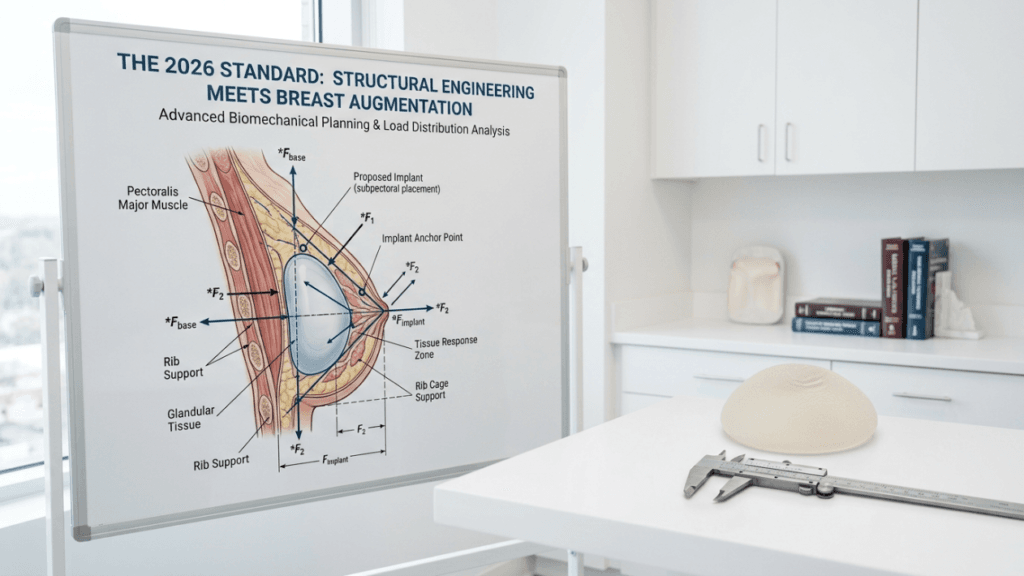
The 2026 Standard: Structural Engineering Meets Breast Augmentation
In 2026, the most successful breast augmentations are those that borrow principles from structural engineering. Just as architects design buildings to withstand gravity, wind, and seismic forces, surgeons must design breast augmentations to withstand the dynamic forces of the human body. This means:
- Load Distribution: The implant must be supported by the chest wall and surrounding tissue to prevent displacement. Techniques like dual-plane placement (partially under the muscle) or the use of supportive meshes can enhance stability.
- Material Compatibility: The implant material—whether silicone, saline, or cohesive gel—must be compatible with the patient’s tissue. For example, patients with thin tissue may benefit from cohesive gel implants, which are less likely to ripple.
- Dynamic Simulation: Advanced 3D imaging software allows surgeons to simulate how the breast will look and move in real time, accounting for factors like gravity, muscle contraction, and tissue elasticity. This ensures the implant will not only look natural but also behave naturally.
Key Takeaway: If your surgeon does not discuss breast footprint, IMF stability, or tissue thickness during your consultation, consider it a red flag. These metrics are the foundation of a successful augmentation.
The 2026 Solution: How to Protect Your Investment and Ensure Lasting Results
Breast augmentation is a significant investment—both financially and emotionally. To ensure your results stand the test of time, you must be proactive about the hidden metrics that govern your outcome. Here’s what you can do:
- Choose a Surgeon Who Prioritizes Precision: Look for a surgeon who uses advanced techniques like intraoperative air augmentation, 3D imaging, and dynamic simulations. Ask about their approach to implant pocket creation, capsular contracture prevention, and breast aesthetic metrics. At Dr. Sibel Atalay’s clinic, these metrics are standard protocol, not optional extras.
- Demand a Comprehensive Pre-Operative Assessment: Your consultation should include a detailed analysis of your breast footprint, IMF, tissue thickness, and chest wall shape. If your surgeon skips these steps, seek a second opinion.
- Follow the 2026 Post-Operative Protocol: In 2026, post-operative care is just as important as the surgery itself. This includes:
- Taking Montelukast for three months to reduce the risk of capsular contracture.
- Wearing a supportive bra for at least six weeks to minimize implant movement.
- Performing gentle massage exercises to encourage soft, flexible scar tissue formation.
- Attending all follow-up appointments to monitor for early signs of displacement or contracture.
- Know the Warning Signs: Be vigilant for early signs of complications, such as:
- Asymmetry or unevenness within the first six months.
- Firmness, pain, or distortion of the breast (signs of capsular contracture).
- Visible rippling or the ability to feel the implant edges.
- Implant movement when you change positions or engage your chest muscles.
- Consider a Simulation Consultation: Many clinics, including Dr. Sibel Atalay’s, offer simulation consultations where you can see how different implants will look and behave on your body. This is an invaluable tool for making an informed decision and setting realistic expectations.

The Bottom Line: Your Breast Augmentation Should Be Built to Last
Breast augmentation is not just about enhancing your appearance—it’s about enhancing your confidence and quality of life. However, these benefits can be quickly undermined by complications like implant displacement, capsular contracture, and aesthetic mismatches. In 2026, the difference between a successful augmentation and a disappointing one lies in the hidden metrics that most surgeons ignore: implant pocket dynamics, capsular integrity, and breast aesthetic metrics.
By choosing a surgeon who prioritizes precision, demanding a comprehensive pre-operative assessment, and following the latest post-operative protocols, you can transform your breast augmentation from a gamble into a guaranteed success. Don’t leave your results to chance—demand a breast augmentation built on the principles of structural integrity, biological compatibility, and aesthetic harmony.
If you’re ready to take the next step, schedule a consultation with Dr. Sibel Atalay today and experience the 2026 standard in breast augmentation.
Frequently Asked Questions About Breast Augmentation Complications
What are the most common complications of breast augmentation?
The most common complications of breast augmentation include implant displacement, capsular contracture, rippling, asymmetry, and infection. Implant displacement occurs when the implant shifts from its intended position, often due to an improperly sized pocket or trauma. Capsular contracture involves the hardening of scar tissue around the implant, which can cause pain and distortion. Rippling refers to visible wrinkles or folds in the implant, particularly in patients with thin tissue coverage. Asymmetry can result from uneven pocket creation or differences in natural breast anatomy. Infection, while rare, can occur if bacteria enter the surgical site.
How can I tell if my breast implant has displaced?
Signs of breast implant displacement include visible asymmetry, uneven breast shape, or the implant shifting when you move. For example, if one implant appears higher or lower than the other, or if it moves toward your armpit or sternum, displacement may have occurred. You may also feel discomfort or a sense of instability in the breast. If you suspect displacement, consult your surgeon for an evaluation. Early intervention can often correct the issue with minimally invasive techniques.
What is capsular contracture, and how is it treated?
Capsular contracture is a condition where the scar tissue around a breast implant becomes thick, hard, and tight, causing the breast to feel firm, painful, or distorted. It is classified using the Baker Grading System, ranging from Grade I (soft, natural-feeling breast) to Grade IV (hard, painful, and visibly distorted). Treatment depends on the severity: Grade I and II contractures may be managed with massage, ultrasound therapy, or medications like Montelukast. Grade III and IV contractures typically require surgical intervention, such as capsulotomy (releasing the scar tissue) or capsulectomy (removing the scar tissue entirely).
Why do some breast augmentations look unnatural?
Unnatural-looking breast augmentations often result from a mismatch between the implant and the patient’s natural anatomy. Common causes include selecting an implant that is too large for the breast footprint, ignoring the position of the inframammary fold, or failing to account for tissue thickness and elasticity. Additionally, improper implant placement—such as placing the implant too high or too low—can create an unnatural appearance. To achieve natural results, surgeons must treat the breast as a structural system, using advanced techniques like 3D imaging and dynamic simulations to ensure harmony between the implant and the patient’s anatomy.
What is the 6-month correction window, and why is it important?
The 6-month correction window refers to the critical period after breast augmentation when the body is still healing and the scar tissue capsule around the implant is forming. During this time, complications like implant displacement or early-stage capsular contracture can often be corrected with minimally invasive interventions, such as pocket revision or supportive meshes. If these issues are left unaddressed, they may require more extensive revision surgery later. Monitoring your results closely during this period and consulting your surgeon at the first sign of complications is essential for long-term success.
How can I reduce my risk of capsular contracture?
To reduce your risk of capsular contracture, follow these steps:
1. Choose a surgeon who uses sterile techniques, such as antibiotic irrigation and the Keller Funnel for implant insertion, to minimize bacterial contamination.
2. Opt for smooth implants and submuscular placement, which are associated with a lower risk of contracture.
3. Take Montelukast (Singulair) for three months post-surgery to block inflammatory molecules that contribute to scar tissue formation.
4. Perform gentle massage exercises to encourage soft, flexible scar tissue.
5. Attend all follow-up appointments to monitor for early signs of contracture.
6. Avoid smoking and radiation therapy, both of which increase the risk of contracture.
What are breast aesthetic metrics, and why do they matter?
Breast aesthetic metrics are the foundational measurements that determine the harmony and stability of a breast augmentation. They include:
– Breast Footprint: The base of the breast where it meets the chest wall, which determines the width and projection of the implant.
– Inframammary Fold (IMF): The natural crease beneath the breast, which must be stable to prevent bottoming out or double-bubble deformity.
– Tissue Thickness and Elasticity: The quality of the breast tissue, which affects implant coverage and the risk of rippling or palpability.
These metrics matter because they ensure the implant complements your natural anatomy, resulting in a natural-looking and long-lasting outcome. Ignoring them can lead to complications like displacement, asymmetry, and unnatural contours.