

Most patients approaching Breast Augmentation Antalya focus on a single metric: the volume of the implant. This obsession with “CCs” is a relic of 20th-century aesthetics that often leads to tissue exhaustion and secondary deformities. In 2026, the paradigm has shifted from simple filling to complex architectural restoration. If you are viewing your surgery as a transaction of volume, you are neglecting the surgical biomechanics that determine whether your results remain stable for five years or twenty. Aesthetic longevity is not found in the box the implant comes in; it is engineered through the precise manipulation of your unique anatomical subunits.
The decision to undergo surgery in a global hub like Antalya requires more than a flight booking—it requires an understanding of how parenchymal thickness and glandular coverage interact with surgical planes. This guide does not merely list benefits; it provides a taxonomy of aesthetic outcomes, empowering you to move beyond the “bigger is better” fallacy toward a result defined by volumetric projection and structural integrity. By the end of this analysis, your perspective on Breast Augmentation Antalya will transform from a pursuit of size into a masterclass in surgical selection.

The Biomechanics of 2026 Breast Augmentation Antalya: Beyond the Surface
At the Dr. Sibel Atalay International Clinic, the surgical philosophy centers on the interaction between foreign material and living tissue. When we discuss Breast Augmentation Antalya, we are calculating the pressure exerted on the lower pole of the breast. Success is measured by the stability of the Inframammary Fold (IMF). If the IMF is not surgically secured or if the implant weight exceeds the parenchymal thickness’s ability to support it, “bottoming out” becomes an inevitability rather than a risk.
Understanding your outcome requires a deep dive into the four pillars of surgical success used in modern Antalya clinics:
- Parenchymal Thickness: This is the natural “padding” of your breast. High-projection implants require sufficient tissue to prevent rippling—a visible wrinkling of the implant surface. If your tissue is thin, the choice between subfascial and submuscular placement becomes the most critical decision of your journey.
- NAC Positioning: The Nipple-Areola Complex (NAC) must sit at the apex of the volumetric projection. In Antalya, 2026 protocols prioritize the internal “lifting” of the NAC through precise pocket dissection rather than external skin excision whenever possible.
- Aesthetic Subunits: We view the breast as a series of quadrants. The upper pole must offer a gentle slope, while the lower pole provides the fullness. Disjointed aesthetics occur when these subunits are treated as a single mass rather than individual zones of tension.
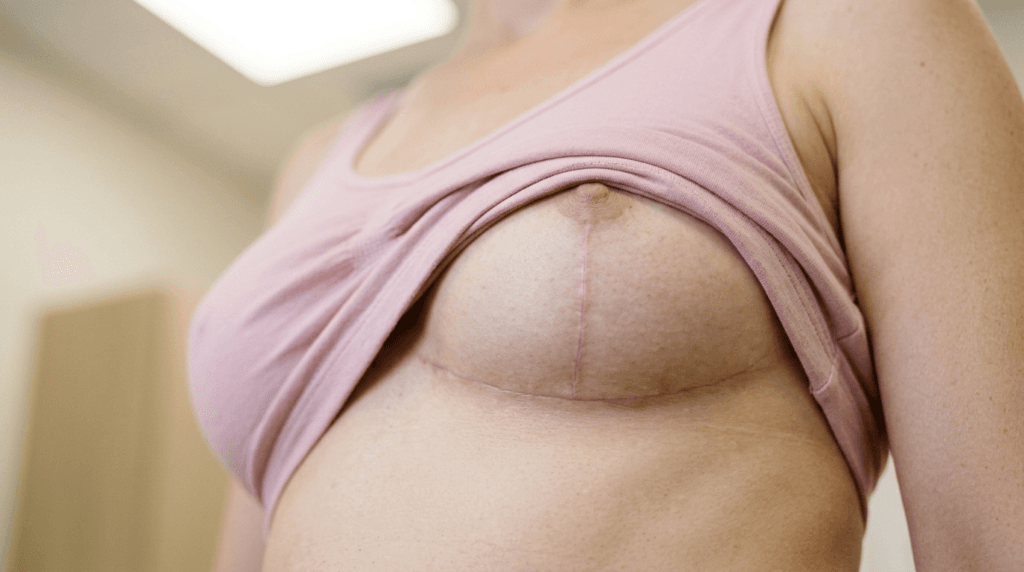
Comparison of Surgical Planes for Aesthetic Stability
| Placement Plane | Glandular Coverage | Recovery Profile | Longevity Benefit |
|---|---|---|---|
| Subglandular | Minimal | Rapid | High mobility, potential for early sagging |
| Submuscular (Dual Plane) | Maximum | Moderate | Superior IMF stability and NAC support |
| Subfascial | High | Moderate | Excellent projection with less muscle trauma |
The Science of Volumetric Projection and Implant Selection
In Breast Augmentation Antalya, the “high profile” vs. “moderate profile” debate is often misunderstood. Profile refers to how far the implant protrudes from the chest wall relative to its width. A narrow chest wall with a wide implant leads to a “bolus” look—an unnatural, circular protrusion that ignores the lateral aesthetic subunits. Op. Dr. Sibel Atalay utilizes 29 years of surgical experience to match the implant’s base diameter to your actual breast width, ensuring the glandular tissue covers the implant edges entirely.
The 2026 standard in Antalya also emphasizes the use of Ergonomix and cohesive gel implants that mimic the movement of natural tissue. This is where “volumetric projection” meets reality. A natural breast changes shape when you lie down; a static, low-quality implant does not. The goal is a result that moves with your biomechanics, not against them.
IMF Stability: The Foundation of the Breast
The Inframammary Fold (IMF) is the “shelf” that holds the weight of your augmentation. Many surgeons in the past lowered the IMF to accommodate larger implants, often resulting in a loss of the natural transition from the chest wall to the breast. Modern Breast Augmentation Antalya methodology focuses on IMF reinforcement. By preserving the ligamentous attachments at the base of the breast, we ensure the implant stays in its intended aesthetic subunit, preventing the “double-bubble” effect often seen in poorly executed revision cases.

The Antalya Protocol: Your Roadmap to Mastery
Executing a successful Breast Augmentation Antalya journey is a calculated process. It requires moving through stages of anatomical assessment and surgical precision. If you are ready to transition from contemplation to action, follow these steps:
- Define Your Anatomical Baseline: Measure your breast base width and parenchymal thickness. This data dictates the maximum implant size your tissues can safely support without long-term atrophy.
- Select the Surgical Plane: Consult with your surgeon on the Dual Plane approach. This technique provides the glandular coverage needed for a natural look while utilizing the muscle to prevent early sagging.
- Prioritize Glandular Integrity: Choose FDA-approved, cohesive gel implants. These materials maintain their shape even if the shell is compromised, providing a layer of safety that matches the aesthetic requirement.
- Coordinate Post-Operative Support: Longevity is heavily influenced by the first six weeks. Use compression garments that respect the new IMF position and avoid activities that strain the submuscular pocket.
- Schedule Your Expert Consultation: The final step is moving from theory to clinical reality. Secure your path to a personalized surgical plan at our appointment page.
Questions Regarding Breast Augmentation Antalya
What determines the longevity of my results in Antalya?
The longevity of Breast Augmentation Antalya results depends on the synergy between implant weight and tissue support. We focus on the stability of the Inframammary Fold (IMF) and selecting an implant diameter that matches your parenchymal thickness, preventing premature sagging and tissue thinning over time.
Why is the Dual Plane technique preferred for most patients?
The Dual Plane technique provides superior results by placing the upper portion of the implant under the muscle for soft coverage and the lower portion under the gland for natural projection. This surgical choice minimizes rippling and ensures the implant remains anchored, providing an ideal silhouette for decades.
How does parenchymal thickness affect my implant choice?
Parenchymal thickness refers to the amount of natural breast tissue available to cover the implant. If you have thin tissue, we often recommend submuscular placement or smaller, highly cohesive implants to avoid the ‘bolus’ look and ensure the edges of the implant remain undetectable to the touch.
Can NAC positioning be corrected during an augmentation?
Yes, the Nipple-Areola Complex (NAC) positioning is a vital part of the aesthetic subunit analysis. While a full lift (mastopexy) might be needed for severe sagging, minor NAC adjustments can often be achieved through internal pocket sculpting during your Breast Augmentation Antalya procedure.
Achieving structural balance requires more than a simple procedure; it demands an architect’s eye and a surgeon’s hand. For those seeking Breast Augmentation Antalya, the journey toward a restored silhouette begins with a commitment to these clinical standards. Your aesthetic future is built on the foundation of the decisions you make today.