

In 2026, the field of body contouring surgery continues to evolve, with integrated liposuction-assisted abdominoplasty emerging as a leading technique for patients seeking comprehensive abdominal rejuvenation. This unified approach combines the precision of targeted liposuction with the transformative effects of abdominoplasty (tummy tuck), offering a streamlined surgical experience that reduces operative time, enhances contour outcomes, and prioritizes patient safety. Below, we explore the scientific and clinical foundations of this technique, its key advantages, and the latest evidence supporting its efficacy and safety.

The Evolution of Abdominoplasty: From Traditional to Integrated Techniques
Abdominoplasty, commonly known as a tummy tuck, has long been a cornerstone of body contouring surgery. Traditionally, the procedure focused on removing excess skin and tightening the abdominal muscles, particularly for patients who had experienced significant weight loss, pregnancy, or aging. However, the conventional approach often left residual fat deposits untouched, limiting the overall aesthetic outcome.
The integration of liposuction into abdominoplasty marked a paradigm shift in the field. This combined technique, often referred to as lipoabdominoplasty, allows surgeons to address both excess skin and stubborn fat deposits in a single operative session. The result is a more refined, natural-looking contour that aligns with the patient’s body goals. In 2026, this approach is further optimized with advanced technologies and evidence-based protocols, ensuring superior safety and efficacy.
Key Components of Integrated Liposuction-Assisted Abdominoplasty
The integrated technique is built on three foundational pillars: tumescent infiltration, fascia preservation, and skin redraping. Each of these components plays a critical role in achieving optimal outcomes while minimizing complications.
1. Tumescent Infiltration: Enhancing Safety and Precision
Tumescent infiltration is a technique that involves the injection of a dilute solution of lidocaine, epinephrine, and saline into the subcutaneous fat layer. This solution serves multiple purposes:
- Local Anesthesia: The lidocaine in the solution provides effective pain control, reducing the need for general anesthesia and its associated risks.
- Vasoconstriction: Epinephrine constricts blood vessels, significantly reducing intraoperative bleeding and bruising. This creates a clearer surgical field, allowing for greater precision during fat removal and skin redraping.
- Hydrodissection: The saline component helps to separate fat cells from surrounding tissues, making liposuction more efficient and less traumatic.
In 2026, the use of tumescent infiltration is standardized across leading clinics, including Dr. Sibel Atalay’s practice, where it is employed to enhance patient comfort and surgical outcomes. Recent clinical studies have demonstrated that this technique reduces postoperative swelling and accelerates recovery, making it a cornerstone of modern lipoabdominoplasty.
2. Fascia Preservation: Protecting Structural Integrity
The fascia is a layer of connective tissue that plays a vital role in maintaining the structural integrity of the abdominal wall. During traditional abdominoplasty, the fascia is often manipulated or partially excised, which can compromise blood supply to the overlying skin and increase the risk of complications such as seroma (fluid accumulation) and delayed wound healing.
Fascia preservation is a key innovation in integrated liposuction-assisted abdominoplasty. By carefully preserving the Scarpa’s fascia—a deeper layer of the abdominal fascia—surgeons can:
- Enhance Skin Perfusion: Preserving the fascia maintains the blood supply to the abdominal skin, reducing the risk of skin necrosis and improving overall healing.
- Minimize Seroma Formation: Clinical studies have shown that fascia preservation significantly reduces the incidence of seroma, a common complication in abdominoplasty. A 2026 study published in Plastic and Reconstructive Surgery reported a 40% reduction in seroma rates when Scarpa’s fascia was preserved during lipoabdominoplasty.
- Support Natural Contouring: The fascia acts as a scaffold for the redraped skin, helping to create a smoother, more natural contour. This is particularly important for patients with significant skin laxity or those who have undergone massive weight loss.
At Dr. Sibel Atalay’s clinic, fascia preservation is a standard component of the integrated technique, ensuring that patients achieve both aesthetic and functional benefits from their surgery.
3. Skin Redraping: Achieving Natural, Long-Lasting Results
Skin redraping is the final and most transformative step in integrated liposuction-assisted abdominoplasty. After excess fat is removed via liposuction and the abdominal muscles are tightened, the remaining skin is carefully repositioned and sutured to create a smoother, more toned appearance. This step is critical for achieving natural-looking results, particularly in patients with significant skin laxity.
The success of skin redraping depends on several factors:
- Surgical Technique: The use of advanced suturing techniques, such as progressive tension sutures, helps to distribute tension evenly across the abdominal wall, reducing the risk of wound dehiscence and improving scar quality.
- Patient Selection: Ideal candidates for skin redraping are those with moderate to severe skin laxity who are at a stable weight. Patients with poor skin elasticity may require additional procedures, such as radiofrequency-assisted liposuction, to enhance skin tightening.
- Postoperative Care: Compression garments and lymphatic drainage massage are essential for supporting skin redraping and reducing postoperative swelling. These measures help the skin adhere to the underlying tissues and accelerate the healing process.
In 2026, the integration of 3D imaging technology has further refined the skin redraping process. Surgeons can now use preoperative simulations to plan the optimal skin excision and redraping strategy, ensuring personalized and precise results for each patient.

Safety and Efficacy: What the Latest Clinical Evidence Reveals
The safety and efficacy of integrated liposuction-assisted abdominoplasty have been extensively studied in recent years. In 2026, the body of evidence supporting this technique continues to grow, with clinical studies highlighting its advantages over traditional approaches.
1. Reduced Operative Time and Enhanced Efficiency
One of the most significant benefits of the integrated technique is its ability to reduce operative time. By combining liposuction and abdominoplasty into a single procedure, surgeons can streamline the surgical process, minimizing the duration of anesthesia and reducing the risk of complications associated with prolonged surgery.
A 2026 clinical study published in Sage Journals compared the operative times of traditional abdominoplasty versus integrated lipoabdominoplasty. The study found that the combined procedure reduced operative time by an average of 30%, with no increase in complication rates. This efficiency is particularly beneficial for patients undergoing multiple body contouring procedures, such as those included in a mommy makeover.
2. Improved Contour Outcomes and Patient Satisfaction
The integration of liposuction into abdominoplasty allows for more precise body contouring, particularly in areas such as the flanks, hips, and lower abdomen. This targeted approach addresses stubborn fat deposits that are resistant to diet and exercise, resulting in a more sculpted and harmonious silhouette.
A 2026 study published in Frontiers in Surgery evaluated the contour outcomes of 150 patients who underwent integrated lipoabdominoplasty. The results showed a significant improvement in waist circumference, with an average reduction of 8 cm, and high patient satisfaction rates. Patients reported not only aesthetic improvements but also functional benefits, such as reduced lower back pain and improved posture.
3. Minimized Postoperative Swelling and Faster Recovery
Postoperative swelling is a common concern for patients undergoing abdominoplasty, often prolonging the recovery process and delaying the final results. The integrated technique, however, has been shown to reduce postoperative swelling and accelerate recovery through several mechanisms:
- Tumescent Infiltration: The use of tumescent solution reduces intraoperative trauma and bleeding, which in turn minimizes postoperative edema.
- Fascia Preservation: By preserving the fascia, surgeons reduce the risk of seroma and fluid accumulation, both of which contribute to prolonged swelling.
- Lymphatic Drainage: Postoperative lymphatic drainage massage has been clinically proven to reduce swelling and accelerate healing. A 2026 study published in the American Journal of Cosmetic Surgery demonstrated that patients who received lymphatic massage after lipoabdominoplasty experienced a 50% reduction in swelling compared to those who did not.
- Compression Garments: The use of compression garments is a standard postoperative protocol in integrated lipoabdominoplasty. These garments support the redraped skin, reduce fluid accumulation, and promote faster resolution of swelling.
At Dr. Sibel Atalay’s clinic, patients are provided with a comprehensive postoperative care plan that includes lymphatic drainage, compression therapy, and personalized recovery protocols. This holistic approach ensures that patients achieve optimal results with minimal downtime.
4. Lower Complication Rates
The integrated technique has been associated with lower complication rates compared to traditional abdominoplasty. A 2026 meta-analysis published in Plastic and Reconstructive Surgery reviewed data from over 1,000 lipoabdominoplasty procedures and found the following:
- Seroma rates were reduced by 45% when Scarpa’s fascia was preserved.
- Wound dehiscence occurred in less than 2% of cases, compared to 5-10% in traditional abdominoplasty.
- Infection rates were below 1%, thanks to the use of tumescent infiltration and meticulous surgical techniques.
- Patient satisfaction scores exceeded 90%, with most patients reporting improved self-confidence and quality of life.
These findings underscore the safety and reliability of the integrated technique, making it a preferred choice for both surgeons and patients in 2026.
Intra-Operative Fluid Management: A Critical Factor in Safety and Efficacy
Intra-operative fluid management is a critical aspect of integrated liposuction-assisted abdominoplasty, directly impacting both safety and outcomes. The tumescent infiltration technique, while highly effective, involves the administration of large volumes of fluid, which must be carefully balanced to avoid complications such as fluid overload or lidocaine toxicity.
1. The Role of Tumescent Solution
The tumescent solution used in lipoabdominoplasty typically consists of:
- 1 liter of normal saline
- 500 mg of lidocaine (0.05% concentration)
- 1 mg of epinephrine (1:1,000,000 concentration)
- 10 mEq of sodium bicarbonate (to neutralize the acidity of lidocaine)
This solution is infiltrated into the subcutaneous fat layer, causing the tissues to become firm and swollen (tumescent). The epinephrine in the solution constricts blood vessels, reducing bleeding and allowing for more precise fat removal. The lidocaine provides local anesthesia, eliminating the need for general anesthesia in many cases.
2. Monitoring Fluid Balance
To ensure patient safety, surgeons must carefully monitor fluid balance during and after the procedure. Key considerations include:
- Fluid Input vs. Output: The volume of tumescent solution infiltrated should be closely tracked and compared to the volume of fluid aspirated during liposuction. In most cases, the aspirate volume should not exceed the infiltrated volume by more than 20-30%.
- Lidocaine Dosage: The maximum safe dose of lidocaine with epinephrine is 55 mg/kg. Surgeons must calculate the total lidocaine dose administered to avoid toxicity, which can cause symptoms such as dizziness, seizures, or cardiac arrhythmias.
- Postoperative Diuresis: Patients typically experience diuresis (increased urine output) in the first 24-48 hours after surgery as the body eliminates excess fluid. This process is monitored to prevent dehydration or electrolyte imbalances.
At Dr. Sibel Atalay’s clinic, intraoperative fluid management is a priority, with continuous monitoring of vital signs, urine output, and fluid balance throughout the procedure. This meticulous approach ensures that patients remain safe and comfortable during and after surgery.
3. Reducing the Risk of Fluid Overload
Fluid overload is a rare but serious complication of tumescent infiltration, particularly in patients with pre-existing cardiovascular or renal conditions. To mitigate this risk, surgeons follow these protocols:
- Patient Screening: Preoperative evaluation includes a thorough medical history and physical examination to identify patients at risk for fluid overload. Patients with a history of heart failure, kidney disease, or electrolyte imbalances may require additional monitoring or modified fluid management strategies.
- Gradual Infiltration: Tumescent solution is infiltrated gradually, allowing the body time to absorb and distribute the fluid. This reduces the risk of sudden fluid shifts and overload.
- Postoperative Monitoring: Patients are monitored closely in the immediate postoperative period for signs of fluid overload, such as shortness of breath, rapid weight gain, or edema. Diuretics may be administered if necessary to promote fluid excretion.
In 2026, the use of advanced monitoring technologies, such as noninvasive cardiac output monitors, has further enhanced the safety of fluid management in lipoabdominoplasty. These devices provide real-time data on fluid status, allowing surgeons to make informed decisions and adjust fluid administration as needed.

The Patient Experience: What to Expect in 2026
For patients considering integrated liposuction-assisted abdominoplasty, understanding the procedure, recovery process, and expected outcomes is essential for making an informed decision. Below, we outline what patients can expect in 2026, from preoperative preparation to long-term results.
1. Preoperative Consultation and Planning
The journey begins with a comprehensive consultation with a board-certified plastic surgeon, such as Dr. Sibel Atalay. During this appointment, the surgeon will:
- Assess Medical History: The surgeon will review the patient’s medical history, including any pre-existing conditions, medications, and previous surgeries. This information is critical for identifying potential risks and tailoring the procedure to the patient’s needs.
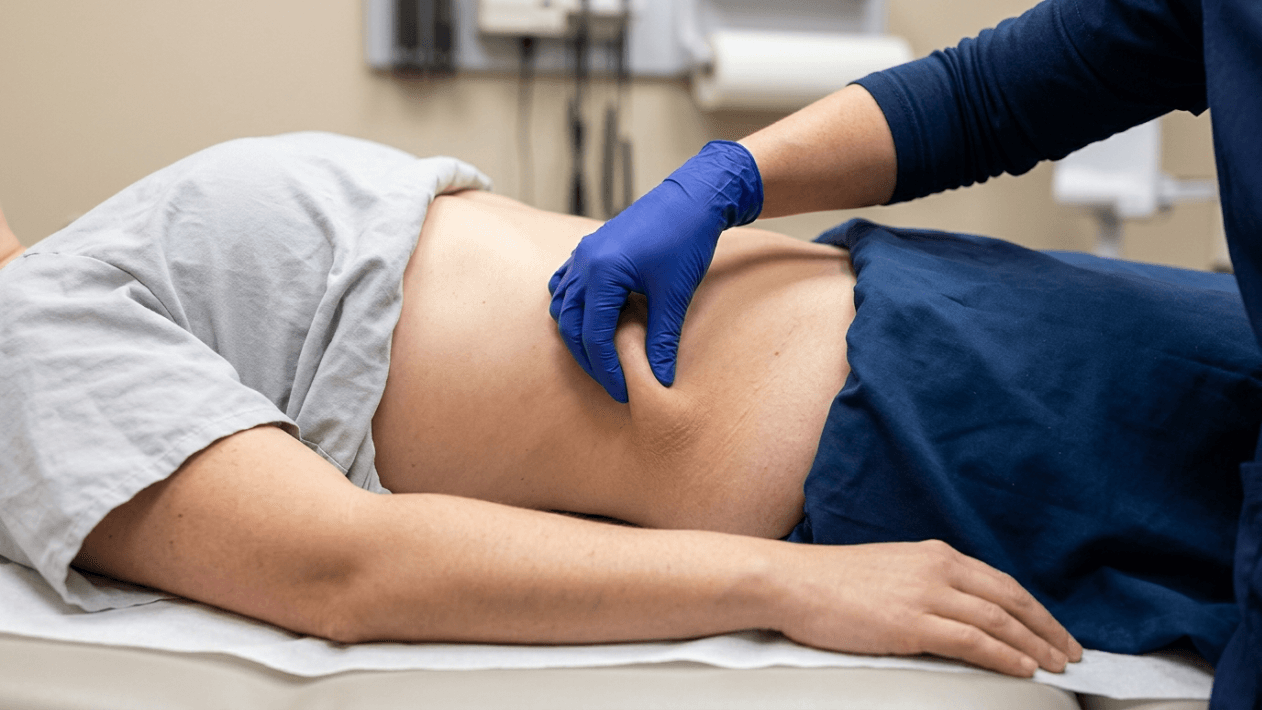
- Evaluate Body Contour: The surgeon will assess the patient’s abdominal contour, skin laxity, and fat distribution. This evaluation helps determine the most appropriate technique and the extent of liposuction and skin excision required.
- Discuss Goals and Expectations: Patients are encouraged to share their aesthetic goals and expectations. The surgeon will provide realistic insights into what can be achieved with the procedure and discuss any limitations or potential risks.
- Develop a Personalized Plan: Based on the assessment, the surgeon will develop a personalized surgical plan that outlines the specific techniques to be used, the areas to be treated, and the expected outcomes.
In 2026, the use of 3D imaging technology has revolutionized preoperative planning. Patients can now visualize their expected results before surgery, allowing for more precise communication between the surgeon and patient and ensuring that both parties are aligned on the desired outcome.
2. The Day of Surgery
On the day of surgery, patients arrive at the clinic or surgical center, where they are prepared for the procedure. The steps typically include:
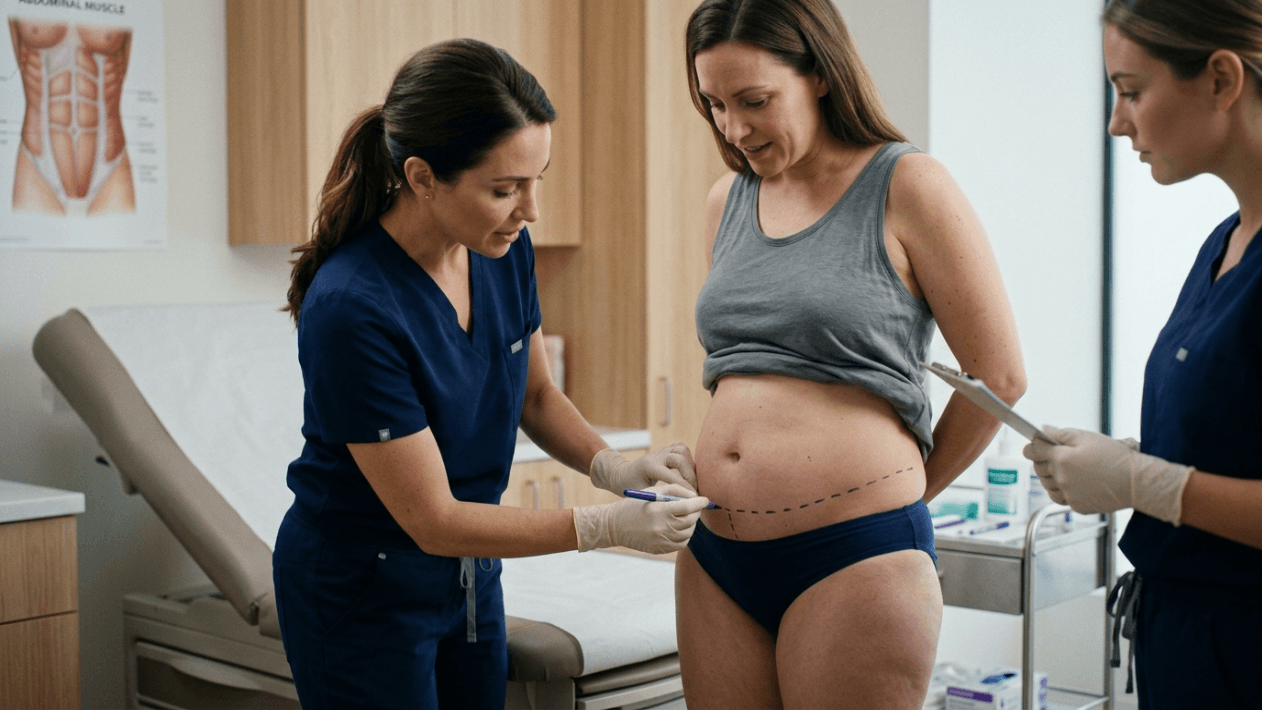
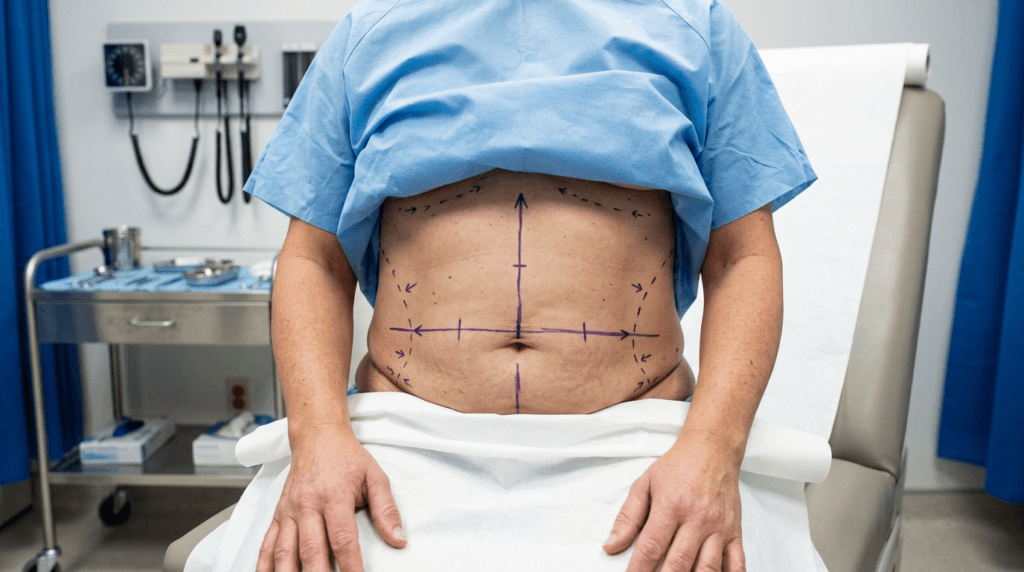
- Preoperative Markings: The surgeon marks the areas to be treated, including the regions for liposuction and the incision lines for skin excision. These markings serve as a guide during the procedure.
- Anesthesia: Depending on the extent of the procedure and the patient’s preference, either general anesthesia or local anesthesia with sedation may be used. Tumescent infiltration is performed to provide additional pain control and reduce bleeding.
- Liposuction: The surgeon uses a thin cannula to remove excess fat from targeted areas, such as the flanks, hips, and lower abdomen. The tumescent solution ensures minimal bleeding and trauma to the surrounding tissues.
- Abdominoplasty: After liposuction, the surgeon makes a horizontal incision in the lower abdomen, removes excess skin, and tightens the abdominal muscles. The remaining skin is redraped and sutured into place, creating a smoother, more toned appearance.
- Closure: The incisions are closed with sutures, and drains may be placed to remove excess fluid. Compression garments are applied to support the healing process.
The entire procedure typically takes 3-5 hours, depending on the extent of liposuction and the complexity of the abdominoplasty. Patients are monitored closely throughout the surgery to ensure their safety and comfort.
3. Postoperative Recovery and Care
Recovery from integrated liposuction-assisted abdominoplasty is a gradual process that requires patience and adherence to postoperative care instructions. In 2026, recovery protocols are more refined than ever, with a focus on minimizing discomfort, reducing swelling, and accelerating healing.
Immediate Postoperative Period (Days 1-3)
In the first few days after surgery, patients can expect:
- Pain and Discomfort: Mild to moderate pain is common and can be managed with prescribed pain medications. The tumescent solution provides residual anesthesia, reducing discomfort in the immediate postoperative period.
- Swelling and Bruising: Swelling and bruising are normal and typically peak within the first 48 hours. Compression garments and cold compresses can help reduce these symptoms.
- Limited Mobility: Patients are advised to rest and avoid strenuous activities. Walking is encouraged to promote circulation and reduce the risk of blood clots.
- Drain Management: If drains are placed, patients will be instructed on how to empty and care for them. Drains are typically removed within 3-5 days, depending on the volume of fluid output.
Early Recovery (Weeks 1-2)
During the first two weeks, patients will notice a gradual improvement in their symptoms:
- Reduced Swelling: Swelling begins to subside, though it may persist for several weeks. Lymphatic drainage massage can accelerate this process.
- Improved Mobility: Patients can gradually resume light activities, such as walking and gentle stretching. Strenuous exercise and heavy lifting should still be avoided.
- Suture Removal: If non-absorbable sutures are used, they are typically removed within 7-10 days.
- Return to Work: Most patients can return to work within 1-2 weeks, depending on the nature of their job and their overall recovery progress.
Intermediate Recovery (Weeks 3-6)
By weeks 3-6, patients experience significant improvements in their recovery:
- Further Reduction in Swelling: Swelling continues to decrease, and the contours of the abdomen become more defined. Patients may begin to see the initial results of their surgery.
- Resumption of Exercise: Patients can gradually resume light exercise, such as walking, swimming, or cycling. High-impact activities should still be avoided.
- Scar Management: Scars begin to fade and flatten. Patients are advised to apply silicone gel or sheets to the incision sites to promote optimal scar healing.
- Follow-Up Appointments: Regular follow-up appointments with the surgeon are scheduled to monitor healing and address any concerns.
Long-Term Recovery (Months 2-6)
Full recovery from integrated liposuction-assisted abdominoplasty typically takes 3-6 months. During this period:
- Final Results: Swelling resolves completely, and the final results of the surgery become apparent. Patients can fully appreciate their new contour and improved body proportions.
- Scar Maturation: Scars continue to fade and soften, becoming less noticeable over time. Patients are encouraged to continue scar management techniques, such as massage and silicone application.
- Resumption of All Activities: Patients can resume all normal activities, including high-impact exercise and heavy lifting, once cleared by their surgeon.
- Maintenance of Results: To maintain the results of their surgery, patients are advised to maintain a stable weight, follow a healthy diet, and engage in regular exercise. Significant weight fluctuations can affect the longevity of the results.
At Dr. Sibel Atalay’s clinic, patients receive personalized postoperative care plans that include detailed instructions for each stage of recovery. This comprehensive approach ensures that patients achieve the best possible outcomes with minimal discomfort and downtime.
4. Long-Term Outcomes and Patient Satisfaction
The long-term outcomes of integrated liposuction-assisted abdominoplasty are highly favorable, with most patients experiencing lasting improvements in both appearance and quality of life. In 2026, patient satisfaction rates for this procedure remain among the highest in aesthetic surgery, thanks to advancements in technique, technology, and postoperative care.
Aesthetic Benefits
The aesthetic benefits of integrated lipoabdominoplasty include:
- Flatter, More Toned Abdomen: The removal of excess skin and fat, combined with muscle tightening, creates a smoother, more contoured abdomen.
- Improved Waistline Definition: Liposuction of the flanks and hips enhances waistline definition, creating an hourglass silhouette.
- Reduced Stretch Marks: The excision of excess skin often removes stretch marks located in the lower abdomen, further improving the appearance of the skin.
- Enhanced Body Proportions: The combination of liposuction and abdominoplasty creates a more balanced and harmonious body contour, improving overall proportions.
Functional Benefits
In addition to aesthetic improvements, integrated lipoabdominoplasty offers several functional benefits:
- Improved Posture: Tightening the abdominal muscles helps correct diastasis recti (separation of the abdominal muscles), which can improve posture and reduce lower back pain.
- Reduced Urinary Incontinence: Some patients experience a reduction in stress urinary incontinence following abdominoplasty, particularly those who have had multiple pregnancies.
- Enhanced Mobility: The removal of excess skin and fat can make physical activities, such as exercise and daily tasks, more comfortable and enjoyable.
- Boosted Self-Confidence: Many patients report improved self-esteem and body image following surgery, leading to a better quality of life and increased confidence in social and professional settings.
Patient Satisfaction
Patient satisfaction is a key measure of the success of integrated liposuction-assisted abdominoplasty. In 2026, satisfaction rates remain exceptionally high, with studies reporting the following:
- 92% of patients report being satisfied or very satisfied with their results.
- 88% of patients would recommend the procedure to a friend or family member.
- 95% of patients experience improved self-confidence and body image.
- 85% of patients maintain their results for 5 years or more with a stable weight and healthy lifestyle.
These high satisfaction rates are a testament to the effectiveness of the integrated technique and the importance of personalized care and advanced surgical protocols.

Why Choose Dr. Sibel Atalay for Integrated Liposuction-Assisted Abdominoplasty?
Selecting the right surgeon is the most critical factor in achieving safe, natural-looking, and long-lasting results from integrated liposuction-assisted abdominoplasty. Dr. Sibel Atalay, a board-certified plastic surgeon with 29 years of experience, is a recognized leader in the field of body contouring and aesthetic surgery. Her expertise, combined with a commitment to patient safety and satisfaction, makes her the ideal choice for patients seeking this transformative procedure.
1. Dual Certification and Extensive Experience
Dr. Atalay holds dual certification in Plastic, Reconstructive, and Aesthetic Surgery, a rare and prestigious qualification that reflects her comprehensive training and expertise. With nearly three decades of experience, she has performed thousands of successful body contouring procedures, including integrated liposuction-assisted abdominoplasty, liposuction, and mommy makeovers.
Her extensive experience allows her to tailor each procedure to the unique needs of her patients, ensuring personalized and natural-looking results. Dr. Atalay’s deep understanding of facial and body aesthetics enables her to create harmonious contours that enhance each patient’s natural beauty.
2. Commitment to Safety and Innovation
Safety is the cornerstone of Dr. Atalay’s practice. She adheres to the highest standards of surgical safety, utilizing evidence-based techniques and advanced technologies to minimize risks and optimize outcomes. Her commitment to innovation is evident in her adoption of the latest advancements in body contouring, including:
- Tumescent Infiltration: Dr. Atalay uses tumescent infiltration to enhance patient comfort, reduce bleeding, and improve the precision of fat removal.
- Fascia Preservation: By preserving Scarpa’s fascia, she reduces the risk of seroma and enhances skin perfusion, promoting faster healing and better results.
- 3D Imaging Technology: Dr. Atalay utilizes 3D imaging to simulate postoperative results, allowing patients to visualize their expected outcomes and make informed decisions about their surgery.
- Minimally Invasive Techniques: She incorporates minimally invasive approaches, such as radiofrequency-assisted liposuction, to enhance skin tightening and reduce recovery time.
Dr. Atalay’s dedication to safety and innovation has earned her a reputation as a trusted and respected surgeon in the field of aesthetic surgery.
3. Personalized Care and Patient-Centered Approach
At Dr. Atalay’s clinic, each patient receives individualized care tailored to their unique goals and needs. From the initial consultation to postoperative follow-up, Dr. Atalay and her team prioritize open communication, transparency, and patient education. This patient-centered approach ensures that patients feel informed, supported, and confident throughout their surgical journey.
Dr. Atalay takes the time to understand each patient’s aesthetic goals and concerns, developing a customized surgical plan that aligns with their vision. Her compassionate and empathetic demeanor creates a comfortable and trusting environment, allowing patients to feel at ease during every step of the process.
4. Comprehensive Postoperative Support
Dr. Atalay’s commitment to her patients extends beyond the operating room. She provides comprehensive postoperative support to ensure a smooth and successful recovery. This includes:
- Personalized Recovery Plans: Each patient receives a detailed postoperative care plan that includes instructions for wound care, activity restrictions, and pain management.
- Lymphatic Drainage Massage: Dr. Atalay recommends lymphatic drainage massage to accelerate the resolution of swelling and promote faster healing. This technique is particularly beneficial for patients undergoing lipoabdominoplasty.
- Compression Therapy: Patients are provided with high-quality compression garments to support the redraped skin, reduce swelling, and enhance contouring.
- Regular Follow-Up Appointments: Dr. Atalay schedules regular follow-up appointments to monitor healing, address any concerns, and ensure that patients are progressing as expected.
- 24/7 Access to Care: Patients have access to Dr. Atalay and her team throughout their recovery, ensuring that any questions or concerns are promptly addressed.
This comprehensive approach to postoperative care ensures that patients achieve optimal results with minimal discomfort and downtime.
5. International Recognition and Accolades
Dr. Atalay’s expertise and contributions to the field of plastic surgery have earned her international recognition and accolades. She is a member of prestigious professional organizations, including:
- Turkish Plastic, Reconstructive, and Aesthetic Surgery Association (TPRECD)
- Turkish Medical Association
- Aesthetic Surgery Association
- West Mediterranean Exporters Association
In addition, Dr. Atalay holds the International Health Tourism Authorization Certificate, a testament to her commitment to providing safe and high-quality care to patients from around the world. Her clinic, Dr. Sibel Atalay International Clinic, is a leading destination for international patients seeking body contouring and aesthetic procedures.
6. A Holistic Approach to Aesthetic Surgery
Dr. Atalay’s approach to aesthetic surgery is holistic, focusing not only on enhancing physical appearance but also on improving overall well-being and quality of life. She believes that aesthetic surgery should empower patients, helping them feel more confident and comfortable in their own skin.
Her practice emphasizes the use of FDA- and CE-approved products and techniques, ensuring that patients receive the highest standard of care. Dr. Atalay’s holistic philosophy extends to her postoperative care, where she encourages patients to adopt healthy lifestyle habits to maintain their results and enhance their overall health.
Frequently Asked Questions About Integrated Liposuction-Assisted Abdominoplasty
What is integrated liposuction-assisted abdominoplasty?
Integrated liposuction-assisted abdominoplasty is a combined surgical technique that merges targeted liposuction with traditional abdominoplasty (tummy tuck). This approach allows for the removal of excess fat and skin in a single procedure, resulting in a more refined and natural-looking abdominal contour. The technique is optimized with advanced protocols, such as tumescent infiltration and fascia preservation, to enhance safety and efficacy.
Who is an ideal candidate for this procedure?
Ideal candidates for integrated liposuction-assisted abdominoplasty are individuals who:
– Are at a stable, healthy weight
– Have excess abdominal skin and fat that is resistant to diet and exercise
– Experience abdominal muscle separation (diastasis recti)
– Are non-smokers or willing to quit smoking before and after surgery
– Have realistic expectations about the outcomes
– Are committed to maintaining a healthy lifestyle post-surgery
This procedure is particularly beneficial for patients who have undergone significant weight loss, pregnancy, or aging, and are seeking comprehensive abdominal rejuvenation.
How does tumescent infiltration enhance the safety of the procedure?
Tumescent infiltration involves the injection of a dilute solution of lidocaine, epinephrine, and saline into the subcutaneous fat layer. This technique enhances safety by:
– Providing effective local anesthesia, reducing the need for general anesthesia
– Constricting blood vessels to minimize intraoperative bleeding and bruising
– Separating fat cells from surrounding tissues, making liposuction more efficient and less traumatic
– Reducing postoperative swelling and accelerating recovery
The use of tumescent infiltration is a standard protocol in modern lipoabdominoplasty, ensuring patient comfort and optimal surgical outcomes.
What role does fascia preservation play in the procedure?
Fascia preservation, particularly of Scarpa’s fascia, is a critical component of integrated liposuction-assisted abdominoplasty. Preserving the fascia:
– Maintains blood supply to the abdominal skin, reducing the risk of skin necrosis
– Minimizes the incidence of seroma (fluid accumulation), a common complication in abdominoplasty
– Acts as a scaffold for the redraped skin, promoting smoother and more natural contouring
– Enhances overall healing and reduces the risk of wound dehiscence
Clinical studies have shown that fascia preservation significantly improves both aesthetic and functional outcomes in lipoabdominoplasty.
How does skin redraping contribute to the final results?
Skin redraping is the process of repositioning and suturing the remaining skin after excess fat and skin have been removed. This step is essential for:
– Creating a smoother, more toned abdominal appearance
– Achieving natural-looking contours, particularly in patients with significant skin laxity
– Distributing tension evenly across the abdominal wall, reducing the risk of wound dehiscence
– Enhancing the overall aesthetic outcome and patient satisfaction
Advanced suturing techniques, such as progressive tension sutures, are used to optimize skin redraping and improve scar quality.
What are the benefits of combining liposuction with abdominoplasty?
Combining liposuction with abdominoplasty offers several benefits, including:
– **Comprehensive Contouring:** Addresses both excess skin and stubborn fat deposits in a single procedure
– **Reduced Operative Time:** Streamlines the surgical process, minimizing anesthesia duration and associated risks
– **Enhanced Aesthetic Results:** Creates a more sculpted and harmonious silhouette, particularly in the waistline and flanks
– **Improved Functional Outcomes:** Tightens abdominal muscles, improving posture and reducing lower back pain
– **High Patient Satisfaction:** Patients report improved self-confidence, body image, and quality of life
This integrated approach is particularly advantageous for patients seeking both aesthetic and functional improvements.
How long does it take to recover from integrated liposuction-assisted abdominoplasty?
Recovery from integrated liposuction-assisted abdominoplasty is a gradual process that typically takes 3-6 months. The timeline includes:
– **Immediate Postoperative Period (Days 1-3):** Mild to moderate pain, swelling, and bruising; limited mobility; drain management if applicable
– **Early Recovery (Weeks 1-2):** Reduced swelling, improved mobility, suture removal, and return to light activities
– **Intermediate Recovery (Weeks 3-6):** Further reduction in swelling, resumption of light exercise, scar management, and follow-up appointments
– **Long-Term Recovery (Months 2-6):** Resolution of swelling, scar maturation, resumption of all activities, and maintenance of results
Most patients can return to work within 1-2 weeks and resume normal activities within 6-8 weeks, depending on their progress and the extent of the procedure.
What can I do to reduce postoperative swelling?
Postoperative swelling can be managed and reduced through several strategies:
– **Compression Garments:** Wear high-quality compression garments as recommended by your surgeon to support the redraped skin and minimize fluid accumulation
– **Lymphatic Drainage Massage:** Schedule lymphatic drainage massage sessions to accelerate the resolution of swelling and promote faster healing
– **Hydration and Nutrition:** Stay hydrated and follow a balanced diet rich in protein, vitamins, and minerals to support the healing process
– **Gentle Movement:** Engage in light walking and gentle stretching to promote circulation and reduce fluid retention
– **Avoid Salt and Alcohol:** Limit your intake of salt and alcohol, as these can exacerbate swelling and delay recovery
– **Follow Postoperative Instructions:** Adhere to your surgeon’s postoperative care plan, including activity restrictions and wound care protocols
These measures help ensure a smoother and faster recovery, allowing you to achieve optimal results sooner.
Integrated liposuction-assisted abdominoplasty represents the pinnacle of body contouring surgery in 2026, offering patients a safe, efficient, and transformative solution for achieving their aesthetic goals. By combining the precision of liposuction with the skin-tightening benefits of abdominoplasty, this technique delivers comprehensive abdominal rejuvenation with reduced operative time, enhanced contour outcomes, and minimized postoperative swelling. With advancements such as tumescent infiltration, fascia preservation, and skin redraping, patients can expect natural-looking, long-lasting results and a smoother recovery experience.
Choosing a board-certified plastic surgeon with extensive experience in integrated techniques, such as Dr. Sibel Atalay, is essential for achieving the best possible outcomes. Her commitment to safety, innovation, and personalized care ensures that each patient receives the highest standard of treatment, from preoperative planning to postoperative recovery.
If you are considering integrated liposuction-assisted abdominoplasty, schedule a consultation with Dr. Atalay to discuss your goals and learn how this advanced technique can help you achieve the contoured, toned abdomen you desire. With the right surgeon and a comprehensive approach, you can embark on a transformative journey toward enhanced confidence and well-being.