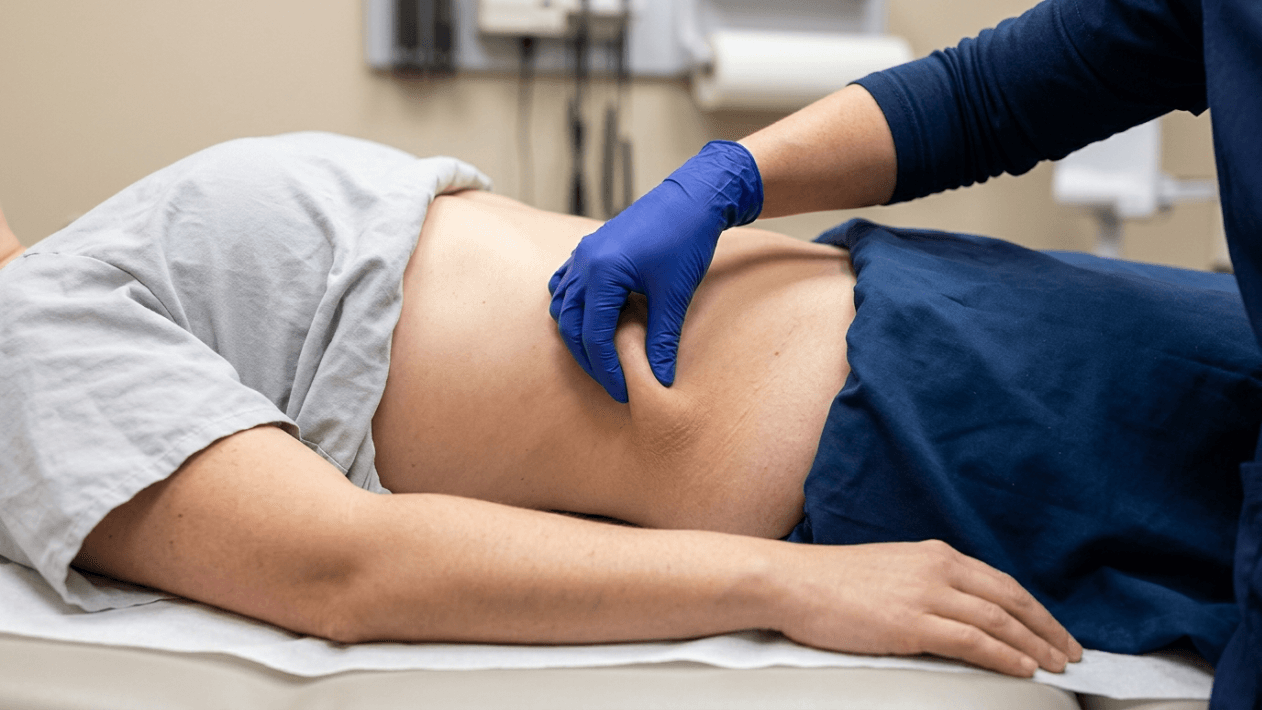


Considering a mini tummy tuck but concerned about the risks and recovery time of general anesthesia? You’re not alone. Many patients seek less invasive alternatives to traditional abdominoplasty, especially when addressing localized concerns like lower abdominal sagging or minor muscle separation. In 2026, advancements in surgical techniques and anesthesia protocols have made it possible to explore mini tummy tucks under local anesthesia with sedation. However, understanding the scope, limitations, and safety of this approach is critical before making a decision.
This guide dives deep into the feasibility of performing a mini tummy tuck with local anesthesia, the types of interventions suitable for this method, and what you can realistically expect in terms of results, recovery, and risks. Whether you’re exploring this option for cosmetic refinement or functional improvement, this article will equip you with the knowledge to make an informed choice.

What Is a Mini Tummy Tuck?
A mini tummy tuck, or mini abdominoplasty, is a targeted surgical procedure designed to address excess skin and fat in the lower abdomen—typically below the navel. Unlike a full tummy tuck, which involves extensive incisions and muscle repair across the entire abdominal region, a mini tummy tuck focuses on a smaller area. This makes it an ideal option for patients with:
- Mild to moderate skin laxity in the lower abdomen.
- Minimal muscle separation (diastasis recti) confined to the area below the belly button.
- Stubborn fat deposits resistant to diet and exercise.
- No plans for future pregnancies or significant weight fluctuations.
The procedure is less invasive, results in shorter recovery times, and—when combined with local anesthesia and sedation—can offer a safer alternative for patients concerned about the risks of general anesthesia.

Can a Mini Tummy Tuck Be Performed with Local Anesthesia?
The short answer: Yes, but with specific conditions. A mini tummy tuck can be performed under local anesthesia with intravenous (IV) sedation, provided the procedure remains within a limited scope. Here’s what you need to know:
1. The Role of Local Anesthesia
Local anesthesia numbs the targeted area of the lower abdomen, allowing the surgeon to perform the procedure while you remain awake but relaxed. However, local anesthesia alone is rarely sufficient for a mini tummy tuck. Instead, it is combined with IV sedation—a lighter form of anesthesia that induces a state of deep relaxation and drowsiness. This combination ensures you feel no pain and have limited awareness of the procedure.
2. Limitations of Local Anesthesia
While local anesthesia with sedation reduces risks associated with general anesthesia, it also imposes limitations:
- Scope of the Procedure: Only small, localized areas can be addressed. Extensive skin removal or muscle repair requires general anesthesia.
- Patient Comfort: Some patients may experience anxiety or discomfort despite sedation. A thorough pre-operative assessment is essential.
- Surgeon’s Expertise: Not all surgeons are experienced in performing mini tummy tucks under local anesthesia. Choose a board-certified plastic surgeon with a proven track record in this specific approach.
3. Who Is a Candidate?
Ideal candidates for a mini tummy tuck with local anesthesia include:
- Patients with minimal excess skin and fat confined to the lower abdomen.
- Individuals who are non-smokers or willing to quit smoking before and after surgery.
- Those in good overall health with no contraindications to local anesthesia or sedation.
- Patients seeking shorter recovery times and less post-operative discomfort.

The Procedure: Step-by-Step
Understanding the steps involved in a mini tummy tuck under local anesthesia can help alleviate anxiety and prepare you for the surgery. Here’s what to expect:
1. Preoperative Preparation
Your surgeon will conduct a detailed evaluation, including a review of your medical history and a physical examination. You’ll receive instructions on how to prepare, such as avoiding certain medications, fasting for a specified period, and arranging for post-operative care. This phase ensures you are physically and mentally ready for the procedure.
2. Anesthesia and Sedation
On the day of the surgery, an anesthesiologist or certified nurse anesthetist will administer IV sedation to help you relax. Once you’re sedated, the surgeon will inject local anesthesia into the lower abdomen to numb the area completely. You’ll remain conscious but in a deeply relaxed state, free from pain or discomfort.
3. Incision and Tissue Removal
The surgeon will make a small, horizontal incision just above the pubic area. Through this incision, excess skin and fat are removed, and—if necessary—minor muscle tightening is performed. The incision is strategically placed to minimize visible scarring, often hidden within the natural creases of the body.
4. Closure and Recovery
Once the necessary adjustments are made, the incision is closed with dissolvable sutures. A compression garment is applied to support the healing process and reduce swelling. You’ll be monitored in a recovery area until the effects of the sedation wear off, typically within a few hours.

Recovery and Results: What to Expect
Recovery from a mini tummy tuck under local anesthesia is generally faster and less intense than that of a full tummy tuck. Here’s a typical timeline:
- First 24-48 Hours: You may experience mild swelling, bruising, and discomfort, which can be managed with prescribed pain medication. Light walking is encouraged to promote circulation.
- First Week: Most patients can return to light activities, such as desk work, within 3-5 days. Strenuous activities should be avoided.
- 2-4 Weeks: Swelling continues to subside, and you can gradually resume more physical activities, including light exercise.
- 6-8 Weeks: Final results become visible as the body fully heals. The abdominal area will appear flatter, firmer, and more contoured.
Following your surgeon’s post-operative instructions is crucial for a smooth recovery and optimal results. This includes wearing compression garments, avoiding heavy lifting, and attending follow-up appointments.
Risks and Considerations
While a mini tummy tuck under local anesthesia is generally safer than a full tummy tuck with general anesthesia, it is not without risks. Potential complications include:
- Infection: Proper wound care and hygiene minimize this risk.
- Bleeding or Hematoma: Rare but possible, especially if post-operative instructions are not followed.
- Scarring: The incision is small and strategically placed, but individual healing varies.
- Numbness or Sensation Changes: Temporary numbness in the treated area is common but usually resolves within a few months.
- Asymmetry or Uneven Results: Choosing an experienced surgeon reduces this risk significantly.
Discuss these risks with your surgeon during the consultation to ensure you have a clear understanding of what to expect.

Why Choose a Mini Tummy Tuck in 2026?
Advancements in surgical techniques and anesthesia protocols have made mini tummy tucks more accessible and safer than ever. In 2026, patients benefit from:
- Minimally Invasive Options: Smaller incisions and reduced tissue trauma lead to faster recovery times.
- Personalized Anesthesia Plans: Local anesthesia with sedation offers a safer alternative for patients concerned about general anesthesia.
- Enhanced Precision: Surgeons use advanced imaging and 3D modeling to tailor the procedure to your unique anatomy.
- Long-Lasting Results: With proper care and a healthy lifestyle, the results of a mini tummy tuck can be maintained for years.
If you’re ready to achieve a flatter, more toned lower abdomen without the downtime and risks of a full tummy tuck, a mini tummy tuck under local anesthesia may be the ideal solution. Consult with a board-certified plastic surgeon to explore your options and take the first step toward a more confident you.
Frequently Asked Questions
Is a mini tummy tuck as effective as a full tummy tuck?
A mini tummy tuck is effective for addressing localized concerns in the lower abdomen, such as excess skin and minor muscle separation. However, it does not provide the same level of correction as a full tummy tuck, which addresses the entire abdominal region.
How long does a mini tummy tuck procedure take?
A mini tummy tuck typically takes between 1 to 2 hours, depending on the complexity of the case and whether additional procedures, such as liposuction, are performed.
Will I have visible scars after a mini tummy tuck?
The incision for a mini tummy tuck is small and strategically placed low on the abdomen, where it can be easily concealed by clothing or swimwear. Over time, the scar will fade and become less noticeable.
Can I combine a mini tummy tuck with other procedures?
Yes, many patients combine a mini tummy tuck with liposuction of the flanks or thighs to achieve a more comprehensive body contouring result. Discuss your goals with your surgeon during the consultation.
When can I return to work after a mini tummy tuck?
Most patients can return to light work within 3 to 5 days, depending on their recovery progress. Jobs that require physical labor may necessitate a longer recovery period.
Is a mini tummy tuck covered by insurance?
Mini tummy tucks are typically considered cosmetic procedures and are not covered by insurance. However, if the surgery addresses a functional issue, such as muscle separation causing chronic pain, a portion might be covered. Consult your insurance provider for details.