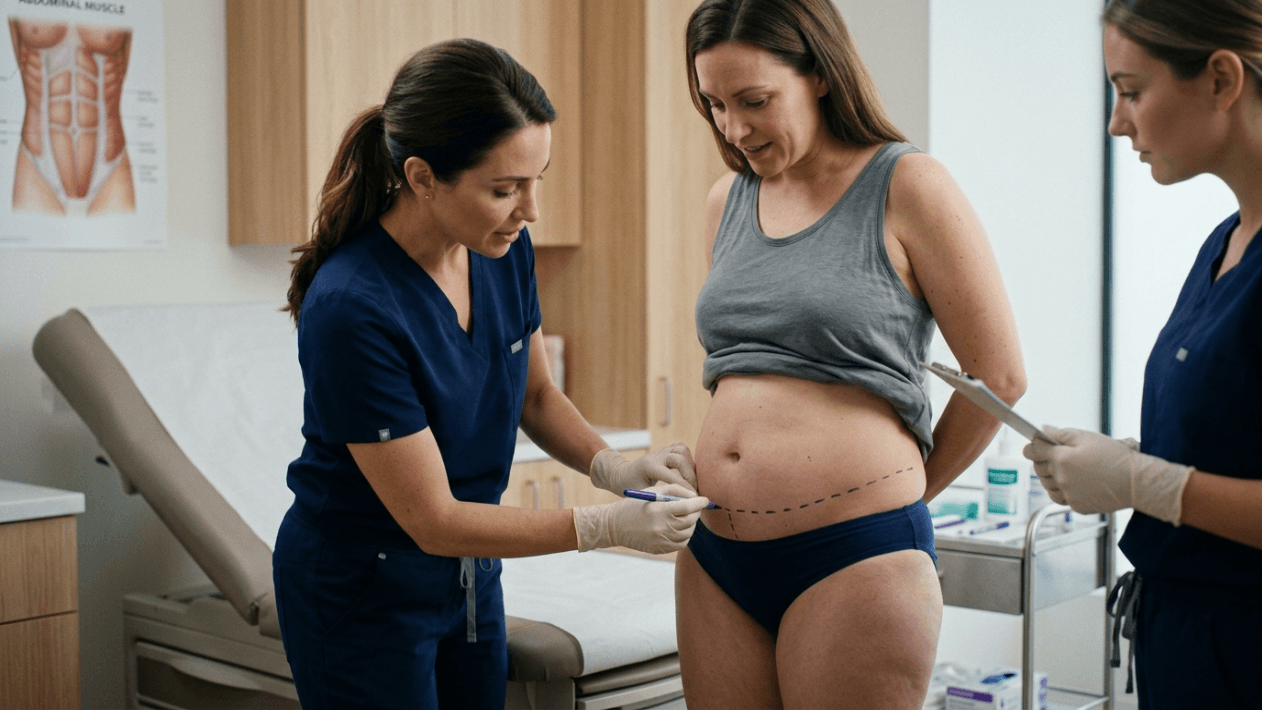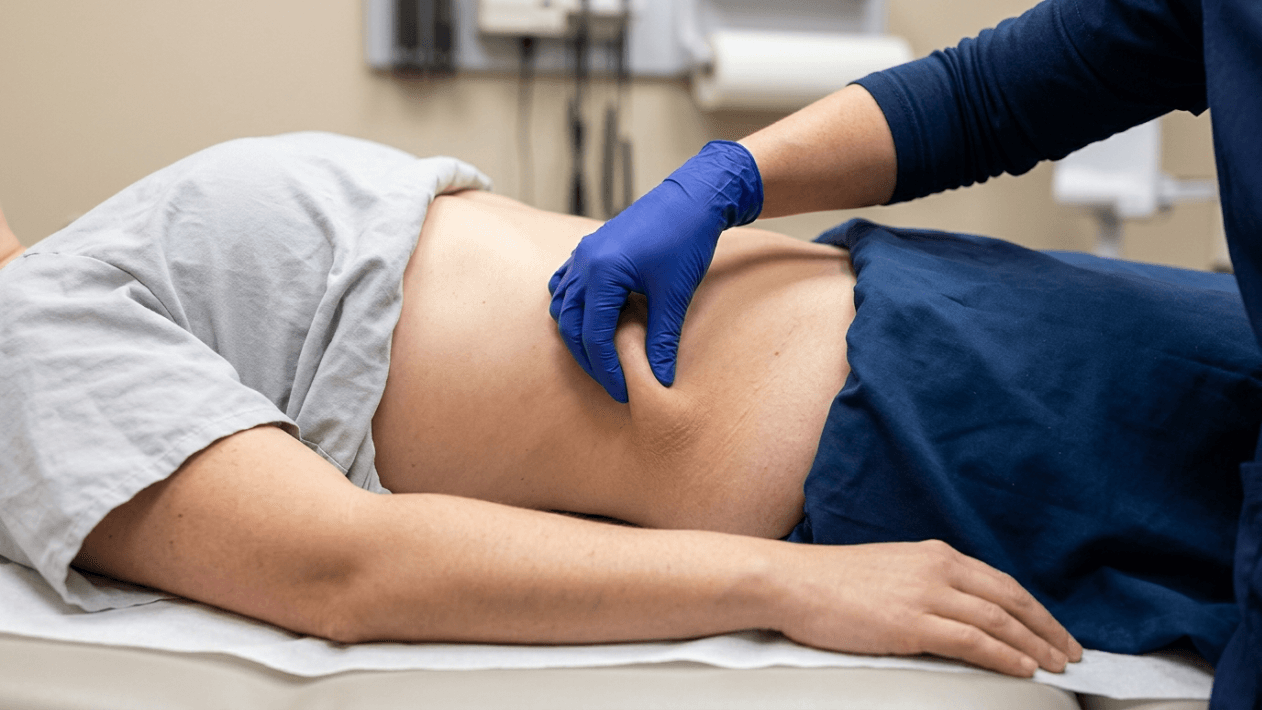


A tummy tuck (abdominoplasty) is a life-changing procedure that removes excess skin, tightens separated muscles, and eliminates stubborn fat—restoring a firmer, flatter abdomen. But age plays a critical role in determining who is an ideal candidate. **Too young, and the body may still be developing; too old, and health risks can escalate.** This 2026 guide breaks down the age-related considerations, risks, and ideal candidate profile for a tummy tuck, ensuring you make an informed decision.
Whether you’re a young adult struggling with post-pregnancy changes or a senior seeking to reclaim your body after weight loss, understanding the age limits for a tummy tuck is essential. **This article covers:**
- The minimum age for safe abdominoplasty and why younger patients face higher risks.
- How aging affects recovery and surgical outcomes.
- The ideal age range for optimal results.
- Special considerations for teens, seniors, and post-menopausal women.

Why Age Matters in Tummy Tuck Surgery
A tummy tuck is not a one-size-fits-all procedure. **Your age directly impacts:**
- Skin elasticity: Younger skin bounces back better, but teens and young adults may still be developing physically.
- Muscle tone: Aging weakens abdominal muscles, making repair more complex.
- Healing capacity: Older adults may experience slower recovery due to reduced collagen production.
- Hormonal factors: Pregnancy, menopause, and testosterone levels influence long-term results.
**Surgeons evaluate these factors** to determine if you’re a suitable candidate. Let’s explore the age-specific risks and benefits.

Minimum Age for a Tummy Tuck: Why 18 Is the Baseline
Most reputable surgeons do not perform tummy tucks on patients under 18. Here’s why:
- Physical development: The body, including skin and muscles, continues to mature until the early 20s. Premature surgery can lead to asymmetrical results as the body changes.
- Hormonal fluctuations: Teens and young adults experience hormonal shifts that affect fat distribution and skin elasticity. A tummy tuck now may not reflect your final body shape.
- Psychological readiness: Younger patients may lack the emotional maturity to handle surgical stress and recovery demands.
**Exception:** In rare cases, such as severe weight loss after bariatric surgery, a surgeon might consider a tummy tuck for a patient under 18—but only after thorough evaluation and parental consent.

Tummy Tuck in Your 20s and 30s: The Ideal Window?
Your 20s and 30s are often considered the optimal age range for a tummy tuck. Here’s why:
- Peak skin elasticity: Younger skin tightens more effectively post-surgery, reducing visible scarring.
- Faster recovery: Metabolism and collagen production are at their prime, speeding up healing.
- Stable body weight: Most patients in this age group have reached a stable weight, ensuring long-lasting results.
- Family planning flexibility: If you’ve completed childbearing, a tummy tuck can address pregnancy-related muscle separation (diastasis recti) and loose skin.
**Warning:** If you plan to have more children, delay your tummy tuck. Pregnancy can reverse surgical results by stretching the skin and muscles again.

Tummy Tuck After 40: What Changes?
Entering your 40s doesn’t disqualify you from a tummy tuck, but **new considerations arise:**
- Slower healing: Collagen production declines, so recovery may take longer. Expect more downtime and potential bruising.
- Hormonal shifts: Perimenopause and menopause affect fat distribution and skin laxity. A surgeon may recommend hormone level checks before proceeding.
- Pre-existing conditions: High blood pressure, diabetes, or heart disease can increase surgical risks. A full medical evaluation is mandatory.
- Realistic expectations: While results can still be dramatic, skin may not tighten as much as it would in a younger patient.
**Pro Tip:** Combine your tummy tuck with liposuction or a mommy makeover for enhanced contouring.
Tummy Tuck for Seniors (50+): Risks vs. Rewards
Age alone doesn’t disqualify you from a tummy tuck, but **seniors face higher risks**. Here’s what to consider:
- Increased surgical risks: Older adults are more prone to complications like blood clots, infections, and poor wound healing.
- Anesthesia concerns: General anesthesia can be harder on the heart and lungs. Your anesthesiologist will assess your fitness.
- Longer recovery: Expect a slower return to normal activities. Full healing may take 6-12 months.
- Skin quality: Reduced elasticity means results may not be as dramatic. Your surgeon may recommend a mini tummy tuck instead.
**Key Question:** Are you in good overall health? Seniors with controlled chronic conditions (e.g., hypertension, diabetes) can still be candidates—but only after clearance from a primary care physician.

Special Cases: Teens, Post-Menopausal Women, and Massive Weight Loss Patients
1. Teens and Young Adults (Under 25)
Teens rarely qualify for a tummy tuck. **Exceptions include:**
- Severe skin laxity after massive weight loss (100+ lbs).
- Congential conditions like abdominal muscle deformities.
- Psychological distress due to excess skin (documented by a therapist).
**Requirement:** Parental consent + clearance from a pediatrician or endocrinologist.
2. Post-Menopausal Women
Menopause brings hormonal changes that affect skin and fat distribution. **Considerations:**
- Hormone replacement therapy (HRT): If you’re on HRT, discuss it with your surgeon. Estrogen levels impact healing.
- Bone density: Osteoporosis can delay recovery. A DEXA scan may be required.
- Body contouring goals: A tummy tuck can complement non-surgical treatments like radiofrequency skin tightening.
3. Massive Weight Loss Patients
After losing 100+ pounds, excess skin can be debilitating. **Critical factors:**
- Stable weight: You must maintain your weight for at least 6 months before surgery.
- Nutritional status: Malnutrition slows healing. Your surgeon may request blood tests.
- Psychological readiness: Body dysmorphia is common post-weight loss. Therapy may be recommended.
How to Determine If You’re a Good Candidate (Regardless of Age)
Age is just one factor. **The ideal tummy tuck candidate meets these criteria:**
- Stable weight: No fluctuations for at least 6-12 months.
- Non-smoker: Smoking impairs healing. Quit at least 4 weeks before surgery.
- Realistic expectations: A tummy tuck is not a weight-loss solution. It’s about contouring.
- Good overall health: No uncontrolled chronic conditions.
- Commitment to recovery: You must follow post-op instructions meticulously.
**Red Flags:** Active infections, blood clotting disorders, or a BMI over 30 may disqualify you.
Risks of Ignoring Age Guidelines
Undergoing a tummy tuck too young or too old without proper evaluation can lead to:
- Poor aesthetic results: Skin may not tighten properly, or scars may heal poorly.
- Complications: Infection, blood clots, or delayed wound healing.
- Need for revision surgery: Correcting unsatisfactory results is costly and risky.
- Psychological distress: Unmet expectations can lead to regret.
**Bottom Line:** Always consult a board-certified plastic surgeon for a personalized assessment. Age is a guideline, not a rule—but ignoring it can have consequences.
Alternatives to Tummy Tuck by Age Group
Not ready for surgery? Consider these age-appropriate alternatives:
| Age Group | Non-Surgical Alternatives |
| Teens & 20s | CoolSculpting (fat freezing), radiofrequency skin tightening, or targeted exercise programs. |
| 30s & 40s | Liposuction, laser skin tightening, or EMSculpt (muscle toning). |
| 50+ | Mini tummy tuck, ultrasound therapy (Ultherapy), or hormone-balancing treatments. |
Preparing for Your Tummy Tuck: Age-Specific Tips
Maximize your results and minimize risks with these tailored tips:
For Younger Patients (Under 30)
- **Optimize skin health:** Use collagen-boosting skincare (retinol, vitamin C) pre-surgery.
- **Avoid sun exposure:** Tanned skin is more prone to hyperpigmentation post-surgery.
- **Stay hydrated:** Youthful skin heals faster when well-hydrated.
For Middle-Aged Patients (30-50)
- **Manage stress:** Cortisol slows healing. Practice meditation or yoga pre-op.
- **Strengthen core muscles:** Gentle Pilates can improve post-surgical muscle tone.
- **Check hormone levels:** Thyroid or estrogen imbalances can affect recovery.
For Seniors (50+)
- **Pre-op medical clearance:** A cardiologist or endocrinologist may need to sign off.
- **Nutrient-dense diet:** Focus on protein, zinc, and vitamin A for wound healing.
- **Arrange post-op care:** Hire a nurse or enlist family support for the first week.
Recovery Timeline by Age
Recovery varies by age. Here’s what to expect:
| Age Group | Initial Recovery (1-2 Weeks) | Full Recovery (3-6 Months) |
| Under 30 | Minimal bruising; return to light activities in 1 week. | Scars fade significantly; full results visible by 3 months. |
| 30-50 | Moderate swelling; 2 weeks off work recommended. | Final contour settles by 4-5 months. |
| 50+ | Prolonged swelling; 3-4 weeks of limited mobility. | Full healing may take up to 6-12 months. |
Frequently Asked Questions About Age and Tummy Tucks
Can a 16-year-old get a tummy tuck?
No, tummy tucks are not performed on minors unless there’s a severe medical necessity (e.g., congenital deformities). Even then, parental consent and extensive evaluations are required.
Is 60 too old for a tummy tuck?
Not necessarily. Health status matters more than age. Seniors in good health with realistic expectations can achieve excellent results. A mini tummy tuck is often recommended.
Will a tummy tuck affect future pregnancies?
Yes. Pregnancy after a tummy tuck can stretch the skin and muscles, reversing results. Wait until you’ve completed your family before undergoing surgery.
How does menopause impact tummy tuck results?
Menopause reduces skin elasticity, so results may be less dramatic. Hormone therapy (HRT) can help, but discuss it with your surgeon.
What’s the youngest age for a tummy tuck?
18 is the minimum age for most surgeons. Exceptions are rare and require medical justification.
Can I get a tummy tuck if I’m overweight?
A BMI over 30 increases risks. Surgeons typically recommend reaching a stable, healthy weight first.
Does age affect tummy tuck scars?
Yes. Younger skin tends to heal with finer scars, while older skin may produce wider or more noticeable scars.
Are there non-surgical options for seniors?
Yes! Radiofrequency treatments, laser therapy, or a mini tummy tuck can be safer alternatives for older adults.
Still unsure if a tummy tuck is right for you? **Schedule a consultation** with a board-certified plastic surgeon to discuss your goals, risks, and alternatives. Visit our appointment page to book your session today.