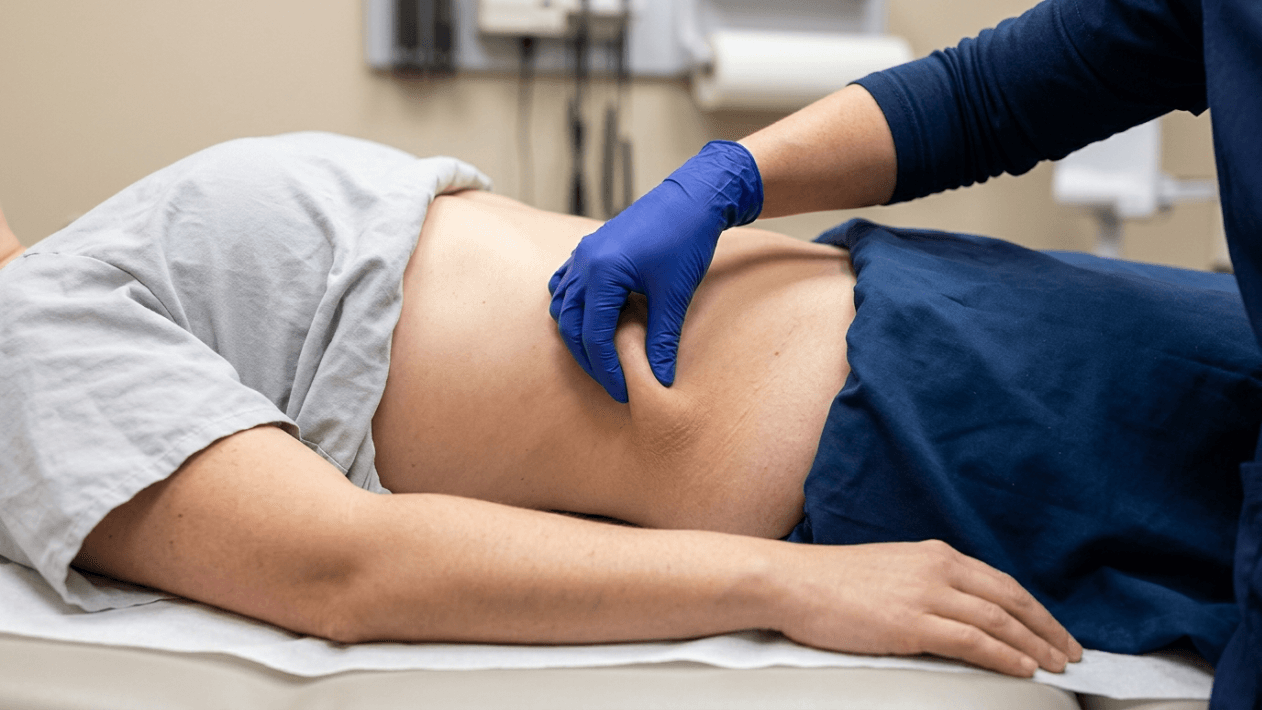


Considering a tummy tuck, or abdominoplasty, is a significant step towards achieving your aesthetic goals. The anticipation of surgery day often brings a mix of excitement and apprehension. Understanding the precise sequence of events, from your arrival at the hospital to the moment you begin your recovery, is crucial for alleviating anxiety and fostering a sense of control. This comprehensive guide meticulously outlines the step-by-step tummy tuck procedure in 2026, ensuring you are fully prepared for a confident and smooth surgical experience.
Patients frequently express concerns about the unknown aspects of surgery day. This article demystifies the entire process, providing clarity on each phase of your transformative journey. By detailing what to expect, we empower you to approach your tummy tuck with informed confidence, focusing on the positive outcomes that await.

Navigating Your Tummy Tuck Surgery Day: A Detailed Overview
The day of your abdominoplasty is a carefully orchestrated event, designed to prioritize your safety and comfort. Each stage involves specific protocols and interactions with your medical team. Familiarizing yourself with this timeline ensures a seamless experience.
1. Pre-Surgery Preparations: The Final Checks
Before arriving at the surgical facility, you must adhere to all pre-operative instructions provided by your surgeon. This typically includes fasting from food and drink for a specified period and avoiding certain medications. Ensure you have arranged for a responsible adult to drive you home after the procedure and assist you during the initial recovery phase. These preparations are vital for minimizing risks and optimizing your surgical outcome.
2. Hospital Admission and Pre-Operative Assessment
Upon arrival, you will complete necessary admission paperwork. A nurse will then guide you to the pre-operative area, where they will take your vital signs, review your medical history, and confirm the planned procedure. You will meet your surgical team, including the anesthesiologist and surgeon, who will answer any last-minute questions. The surgeon will perform final markings on your abdomen, guiding the incisions and ensuring precise results.
3. Anesthesia Administration: Ensuring Your Comfort
A qualified anesthesiologist will administer general anesthesia, ensuring you remain completely comfortable and pain-free throughout the entire procedure. They will continuously monitor your vital signs, including heart rate, blood pressure, and oxygen levels, adjusting the anesthesia as needed. Your safety under anesthesia is paramount, and the team employs advanced monitoring techniques to maintain optimal conditions.

The Surgical Procedure: A Step-by-Step Transformation
Once anesthesia takes effect, the surgical team commences the abdominoplasty. This intricate procedure involves several key stages, each meticulously performed to achieve a flatter, more toned abdominal contour.
4. Incision and Tissue Management
The surgeon makes a horizontal incision low on the abdomen, typically extending from hip to hip, just above the pubic area. The length and shape of this incision depend on the extent of correction required. Through this incision, the surgeon carefully lifts the skin and fat, exposing the underlying abdominal muscles. Excess skin and stubborn fat deposits are then precisely excised. For more information on potential risks, consult our guide on Is Tummy Tuck Surgery Dangerous?
5. Muscle Repair (Diastasis Recti Correction)
A critical component of a tummy tuck involves repairing separated or weakened abdominal muscles, a condition known as diastasis recti. The surgeon sutures these muscles back together, restoring their natural position and strength. This internal repair significantly contributes to a firmer abdomen, improved core stability, and a more defined waistline. This step is particularly beneficial for individuals post-pregnancy or significant weight loss.
6. Navel Repositioning and Closure
As the remaining skin is pulled taut and redraped over the newly contoured abdomen, the navel (belly button) requires repositioning. The surgeon creates a new, natural-looking opening for the navel and sutures it into place. Finally, the incisions are meticulously closed with sutures, and sterile dressings are applied. Compression garments are often placed immediately to support the new contours and minimize swelling.

Post-Operative Care: Immediate Recovery and Discharge
The surgical procedure concludes with a transition to the recovery room, where your journey towards healing truly begins. Understanding this phase is essential for managing expectations.
7. Immediate Post-Operative Monitoring
In the recovery room, medical staff will closely monitor your vital signs as you gradually awaken from anesthesia. You may experience some discomfort, which will be managed with prescribed pain medication. Drains are often placed to collect any excess fluid, promoting proper healing and reducing swelling. The team ensures your stability and comfort before transferring you to a hospital room or preparing for discharge.
Hospital Stay and Initial Care
Depending on the extent of your surgery and your individual recovery, you may stay in the hospital for one or more nights. During this time, nurses will assist with mobility, pain management, and drain care. Early, gentle walking is encouraged to promote circulation and prevent complications. You will receive detailed instructions on wound care, medication schedules, and activity restrictions.
Discharge and Home Care Instructions
Upon discharge, you will receive comprehensive instructions for your home recovery. These include guidelines for managing pain, caring for your incisions and drains, wearing your compression garment, and gradually increasing your activity levels. Adhering strictly to these instructions is paramount for optimal healing and achieving the best possible results. Your surgeon will schedule follow-up appointments to monitor your progress.

Why Choose a Tummy Tuck in 2026?
Advancements in medical technology and surgical techniques have made tummy tucks safer and more effective than ever. In 2026, patients benefit from:
- Minimally Invasive Options: Techniques such as endoscopic abdominoplasty allow for smaller incisions and reduced recovery times for suitable candidates.
- Enhanced Recovery Protocols: Improved pain management strategies and personalized postoperative care plans ensure a smoother and more comfortable recovery.
- Personalized Results: Surgeons utilize advanced imaging and 3D modeling to tailor the procedure precisely to each patient’s unique anatomy and aesthetic goals.
- Long-Lasting Outcomes: With proper care and a commitment to a healthy lifestyle, the transformative results of a tummy tuck can be maintained for many years.
If you are ready to achieve a flatter, more toned abdomen, a tummy tuck offers a proven solution. Consult with a qualified, board-certified surgeon to explore your options and take the definitive first step toward a more confident you. You can schedule your consultation at our appointment page.
Frequently Asked Questions About Tummy Tuck Surgery Day
How long does the tummy tuck procedure typically last?
A standard tummy tuck procedure usually takes between 2 to 5 hours. The exact duration depends on the complexity of your case and whether additional procedures, such as liposuction, are performed concurrently.
Will I feel any pain during the surgery?
No, you will not feel any pain during the surgery. Abdominoplasty is performed under general anesthesia, ensuring you are completely unconscious and comfortable throughout the entire procedure.
What should I wear to the hospital on surgery day?
Wear loose, comfortable clothing that is easy to put on and take off. Avoid tight garments that might irritate your incisions or compression garment after surgery. Slip-on shoes are also recommended.
Can I eat or drink before my tummy tuck surgery?
You must strictly follow your surgeon’s fasting instructions, which typically involve avoiding food and drink for several hours before surgery. Failure to do so can lead to serious complications related to anesthesia.
How long will I stay in the hospital after a tummy tuck?
Most patients stay in the hospital for one to two nights following a tummy tuck. This allows the medical team to monitor your initial recovery, manage pain, and provide essential post-operative care before you return home.
What kind of pain can I expect after surgery?
You will experience some discomfort, tightness, and soreness in your abdominal area. This pain is manageable with prescribed oral pain medications. Your medical team will ensure your pain is controlled throughout your hospital stay and provide guidance for home management.
Will I have drains after my tummy tuck?
Yes, it is common to have surgical drains placed after a tummy tuck. These drains help remove excess fluid that can accumulate under the skin, reducing swelling and promoting proper healing. Your surgeon will instruct you on how to care for them.
When can I see the final results of my tummy tuck?
While immediate improvements are visible, the final results of your tummy tuck will gradually emerge as swelling subsides over several weeks to months. Full results are typically apparent within 3 to 6 months as your body continues to heal and settle into its new contour.