Achieve a flatter, more masculine chest contour by removing excess glandular tissue and fat.
- Çağlayangil Street, No:9/A Güzeloba, Antalya /Turkey

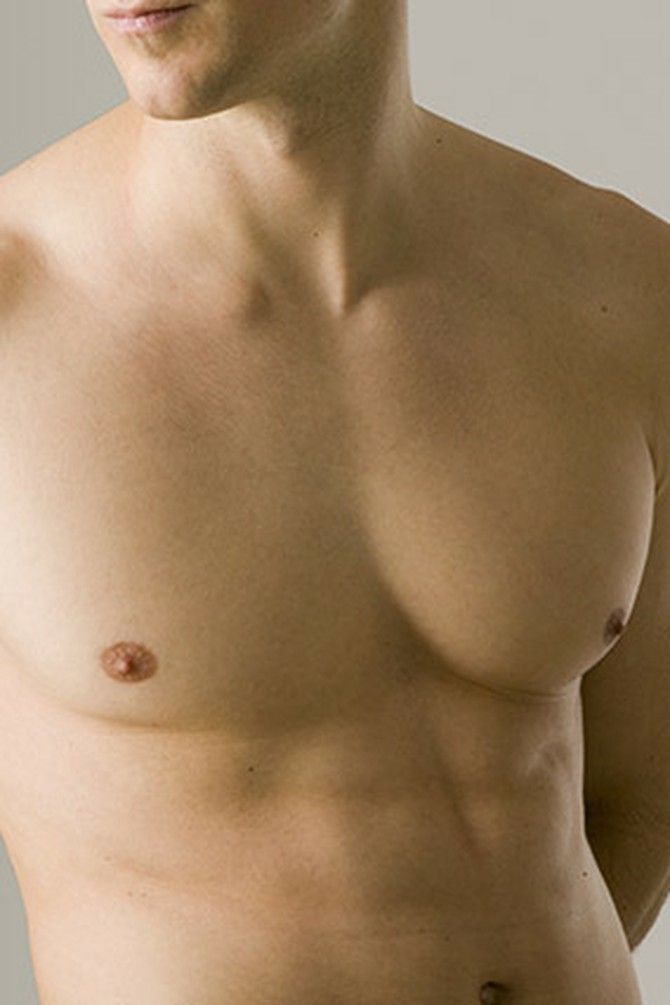
Achieve a flatter, more masculine chest contour by removing excess glandular tissue and fat.
Gynecomastia is a medical condition characterized by the benign (non-cancerous) enlargement of glandular breast tissue in males, giving the appearance of female-like breasts.
Causes: It is typically caused by a hormonal imbalance (an excess of estrogen relative to testosterone).
Contributing Factors: The condition can also be linked to certain medications (e.g., anabolic steroids), underlying medical conditions, obesity, or excessive alcohol consumption.1
Puberty: During puberty, temporary breast tissue enlargement is common and often resolves naturally, but in some cases, the condition persists into adulthood.2
The choice of surgical procedure depends on the ratio of glandular tissue to fat, the amount of excess skin, and the severity of the enlargement:
| Procedure | Indication | Technique |
| Liposuction | Primarily for gynecomastia caused by excess fatty tissue (pseudogynecomastia). | Excess fat is removed from the chest area using a thin tube called a cannula. |
| Mastectomy (Excision) | Primarily for cases with a significant amount of dense glandular tissue or excess skin. | Involves surgically removing the excess glandular tissue and reshaping the chest. |
| Combination Procedures | Used to achieve optimal results when both fat and glandular tissue need to be removed. | Combines liposuction (for fat) and mastectomy (for glandular tissue and skin excision). |
Before undergoing gynecomastia surgery, a consultation with a qualified plastic surgeon is essential for a comprehensive evaluation:
Medical Evaluation: A thorough medical examination, including blood tests, is necessary to assess overall health and identify any underlying conditions that could affect the surgery or recovery.3
Medication Review: Inform your surgeon about all medications and supplements. Your surgeon may advise you to temporarily discontinue certain substances that could increase the risk of bleeding or complications.4
Lifestyle Adjustments: Quitting smoking several weeks before surgery is strongly recommended, as smoking can severely impair healing.5 Maintaining a healthy lifestyle (diet and exercise) also contributes to a smoother recovery.6
Goals Discussion: Have clear communication with your surgeon regarding your aesthetic goals and expectations to ensure the surgical plan is tailored to your desired masculine chest contour.
Preparation Instructions: Follow specific pre-operative instructions, including guidelines regarding fasting before surgery.
How long does the gynecomastia surgery last?
The procedure can take anywhere from one to three hours, depending on the extent of the enlargement and the surgical technique used.
How long is the hospital stay for gynecomastia surgery?
The hospital stay is typically short. Gynecomastia surgery is commonly performed on an outpatient basis, meaning you can usually go home the same day as the procedure.7 An overnight stay may only be necessary in rare, more extensive cases or if complications arise.
When can someone resume their social and professional activities after undergoing gynecomastia surgery?
(Note: This was a question without a direct answer in your original text.)
Patients can typically return to desk work and light social activities within 3 to 7 days after the surgery. Strenuous activity and heavy lifting are usually restricted for 4 to 6 weeks.8
How much scarring does gynecomastia surgery leave?
The goal of the surgery is to minimize scarring and keep it as inconspicuous as possible.
Liposuction Only: Leaves only tiny incision marks that are minimal.9
Excision/Combination: Involves small incisions strategically placed around the edge of the areola (the dark skin surrounding the nipple) or within the natural creases of the chest.10
Fading: While some scarring is inevitable, skilled surgeons aim to keep the scars minimal and well-concealed.11 Scars often fade over time, becoming less noticeable and blending with the surrounding skin.12
To obtain more information about breast uplift and breast reduction surgeries (for women), or to discuss your specific gynecomastia needs, please contact Sibel Atalay Aesthetic Clinic in Antalya.
WhatsApp ile bize ulaşın.
Powered by e42art