Restore lost volume and smooth out deep wrinkles to achieve a youthful, refreshed look without surgery.
- Çağlayangil Street, No:9/A Güzeloba, Antalya /Turkey

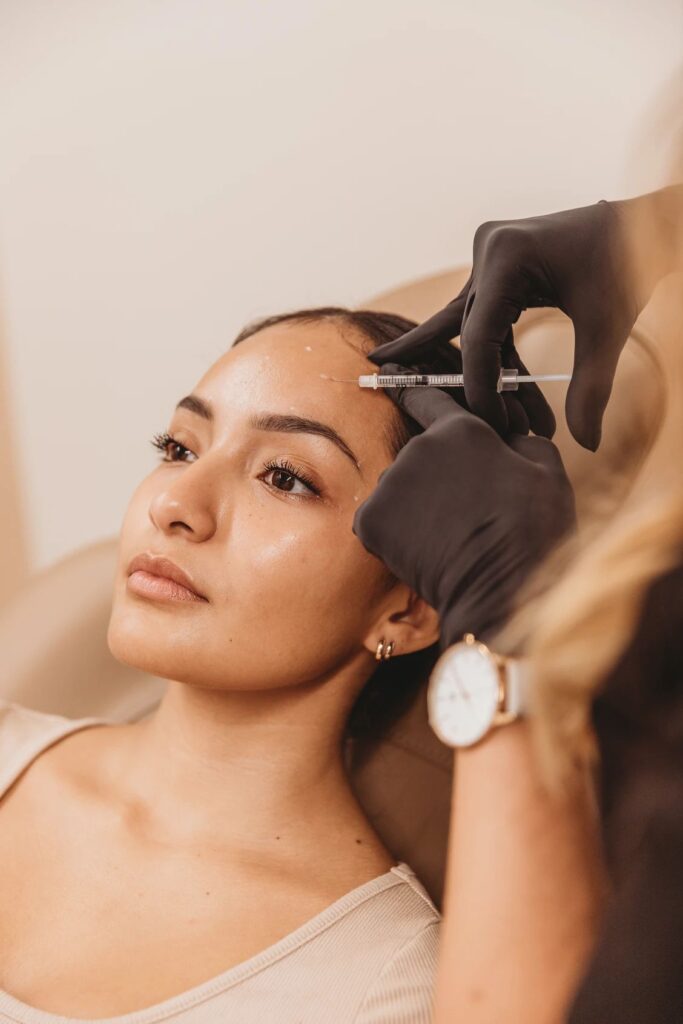
Restore lost volume and smooth out deep wrinkles to achieve a youthful, refreshed look without surgery.
Dermal fillers are materials widely used in aesthetics to address signs of aging. They are primarily used to:
Eliminate wrinkles and fine lines formed on the skin.
Restore volume loss (e.g., in cheeks).
Correct deep hollows and collapses in facial contours.
By adding volume and structure, filler applications help eliminate aging signs, resulting in a fresher, younger, and smoother complexion.
The most commonly used fillers today are those containing hyaluronic acid (HA).
Natural Role: Hyaluronic acid is a glycosaminoglycan naturally found in the structure of our skin. It attracts water, providing hydration and volume, and also helps stimulate collagen production.
Source: The hyaluronic acid used in dermal fillers is produced in laboratory conditions (it is not directly extracted from animals).
Fillers are used across the face for aesthetic enhancement and rejuvenation:
Wrinkle Elimination: To soften frown lines, nasolabial folds (descending from the nose edge to the lip edge), and lines around the forehead and eyes.
Volume Restoration: To correct volume loss in the cheeks and cheekbones, and to fill collapses in the temples and under-eye area.
Contouring: To shape the nose (non-surgical rhinoplasty), define the chin, and give volume to the lips and cheekbones.
Hyaluronic Acid Safety: HA is generally a biocompatible substance that does not commonly lead to severe allergic reactions.
Bleeding Risk: Fillers are applied via an injector or cannulas. Small bleeding may occur during injection.
If you are receiving anticoagulant medication (blood thinners), you may experience more swelling and bruising than estimated. Please definitely inform your physician about any drugs you are using.
Allergies: Please definitely inform your physician if you have any known allergy toward any substance or medication.
How long does the filler application last? Fillers are applied relatively quickly. Depending on the area and the extent of the treatment, the procedure may be completed in five to twenty minutes.
Is the filler application painful? (Note: This was a question without an answer in your original text.) No, filler application is typically not severely painful. Most modern filler products contain lidocaine (a local anesthetic) mixed in. Additionally, a topical numbing cream is applied beforehand to the treatment area to ensure patient comfort during the injection.
How long does the persistency of the fillers last? The longevity of the filler varies depending on the applied area and the density (thickness) of the filler material used:
Thin Fillers: Used for delicate areas like eye contours, lips, and fine facial wrinkles. Their persistency is generally for nine to twelve months.
Thicker Fillers: Used to eliminate deep wrinkles and major volume collapses (e.g., cheeks, jawline). Their persistency is approximately twelve to twenty-four months.
Following the filler application, when can the patient return to the social life and professional life? (Note: This was a question without an answer in your original text.) Patients can return to their social life and professional life immediately after the application. While swelling, slight bruising, or redness may occur, these temporary side effects can often be covered with makeup and usually subside within 24 to 48 hours.
WhatsApp ile bize ulaşın.
Powered by e42art