Alleviate physical discomfort and achieve a more balanced figure by reducing the weight and size of large breasts.
- Çağlayangil Street, No:9/A Güzeloba, Antalya /Turkey

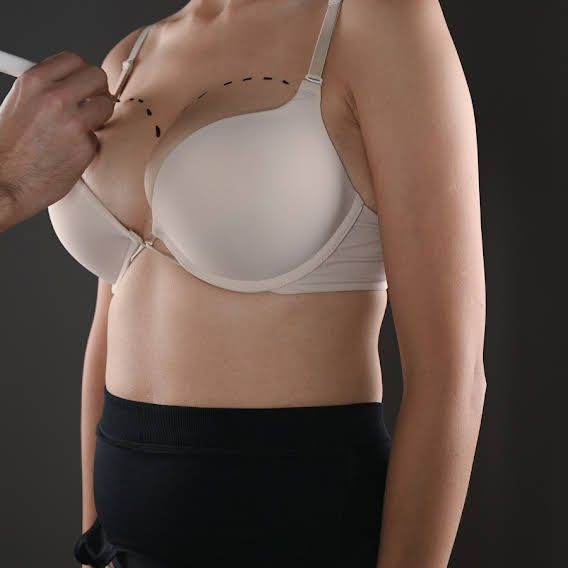
Alleviate physical discomfort and achieve a more balanced figure by reducing the weight and size of large breasts.
Breast reduction surgery, also known as reduction mammoplasty, is a surgical procedure that aims to reduce the size and reshape the breasts. The surgery involves removing excess breast tissue, fat, and skin to achieve a more proportionate and desired size, often to alleviate physical discomfort.
Larger breast size can be influenced by various factors:
Genetics: Breast size is frequently determined by inherited traits.
Hormonal Factors: Estrogen and progesterone influence breast development during puberty and pregnancy.
Weight Fluctuations: Weight gain can lead to an increase in breast size due to fat deposition.
Certain Medical Conditions.
While experiences vary, larger breasts can lead to several physical and emotional challenges:
Physical Discomfort:
Chronic back, neck, and shoulder pain due to the strain of excess weight.
Poor posture resulting from the effort to compensate for the weight.
Clothing Challenges:
Difficulty finding well-fitting bras, swimwear, and dresses that provide adequate support and aesthetic fit.
Activity Restriction:
Challenges engaging in physical activities like running or intense exercise due to discomfort and the need for high levels of support (sports bras).
Emotional Impact:
Experiencing body image concerns, low self-esteem, or self-consciousness in social situations.
Unwanted Attention:
May attract unwanted attention or objectification.
The most common technique used for breast reduction surgery is the “Anchor Incision” or “Inverted T Incision.”
Incision Pattern: This involves making three incisions:
One around the areola (the dark area surrounding the nipple).
One extending vertically downwards from the areola to the breast crease.
One horizontally along the natural crease of the breast (inframammary fold).
Tissue Removal: Through this incision pattern, excess breast tissue, fat, and skin are removed.
Reshaping: The remaining tissue is lifted, repositioned, and reshaped to achieve the final, reduced, and uplifted contour. The incisions are then closed with sutures.
Before undergoing breast reduction, several steps are performed to ensure a safe outcome:
Consultation: Schedule a consultation with a qualified plastic surgeon to assess your health, evaluate your breast size/shape, discuss your goals, and explain the surgical process.
Pre-operative Tests: Your surgeon will order tests such as a mammogram or breast ultrasound to assess the breast tissue.
Medical Review: Provide a complete medical history, including all medications and allergies. You will be advised to stop taking medications or supplements that increase the risk of bleeding.
Lifestyle Adjustments: Quitting smoking is strongly advised, as it interferes with the healing process and increases the risk of complications.
Risk Discussion: Your surgeon will explain the potential risks, including scarring, changes in nipple sensation, and the possibility of needing follow-up surgeries.
Pre-operative Instructions: You will receive specific instructions, including fasting and arranging for transportation home after surgery.
How long does the breast reduction procedure typically take? On average, breast reduction surgery can take anywhere from two to four hours to complete.
How many days should one be hospitalized for breast reduction surgery? (Note: This was a question without an answer in your original text.) Breast reduction surgery typically requires a hospital stay of one to two days for post-operative monitoring and initial pain management.
How long does the recovery period last?
Initial Phase: The initial recovery phase lasts about 1 to 2 weeks, during which you will experience soreness, swelling, bruising, and discomfort (managed with medication).
Return to Work/Light Activity: You may be able to return to work and resume light activities within 1 to 2 weeks.
Full Recovery: Strenuous activities and exercise should be gradually reintroduced over a period of 4 to 6 weeks. It may take several months for the swelling and bruising to fully subside.
Will the scars from a breast reduction procedure disappear over time? The scars from a breast reduction procedure will fade and become less noticeable over time, but they will not disappear completely.
Maturation: Scars can take several months or even up to a year to fully mature.
Care: Following your doctor’s post-operative care instructions is crucial, including keeping the incision site clean, avoiding excessive sun exposure, and potentially using scar treatments (like silicone gel or sheets).
To obtain more information about breast reduction, breast augmentation, and breast uplift surgeries, please contact Sibel Atalay Aesthetic Clinic in Antalya.
WhatsApp ile bize ulaşın.
Powered by e42art