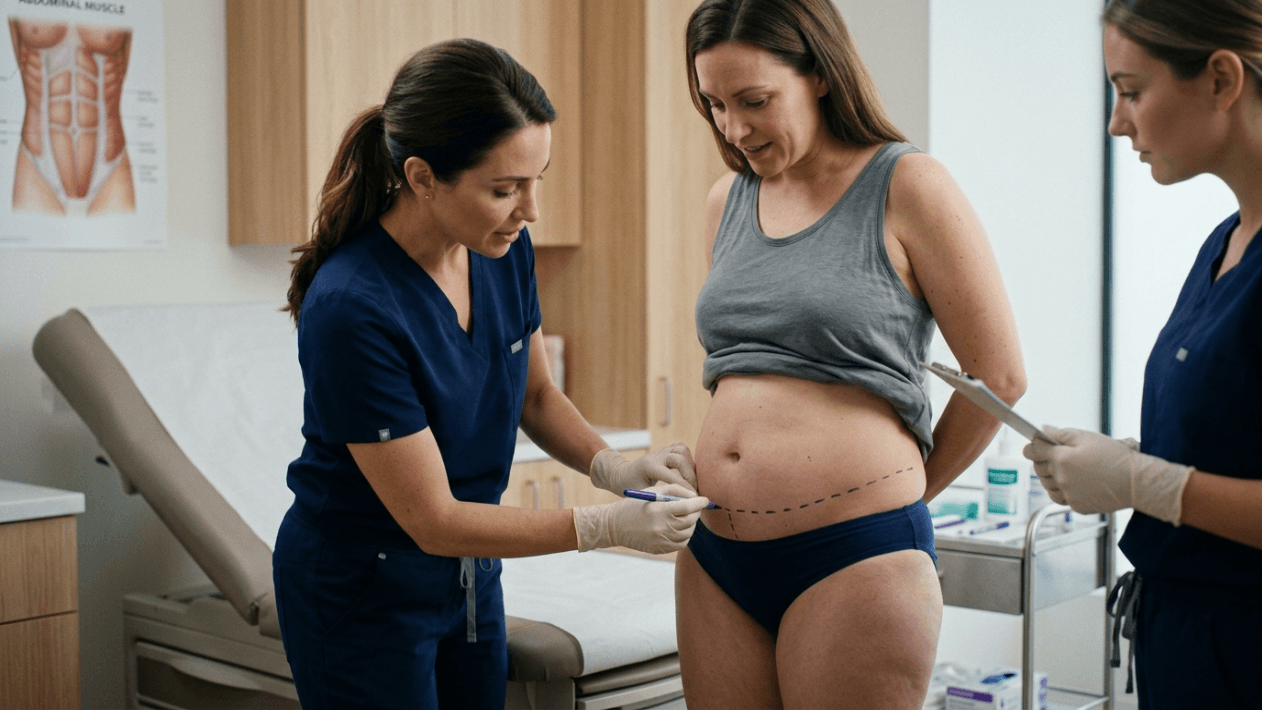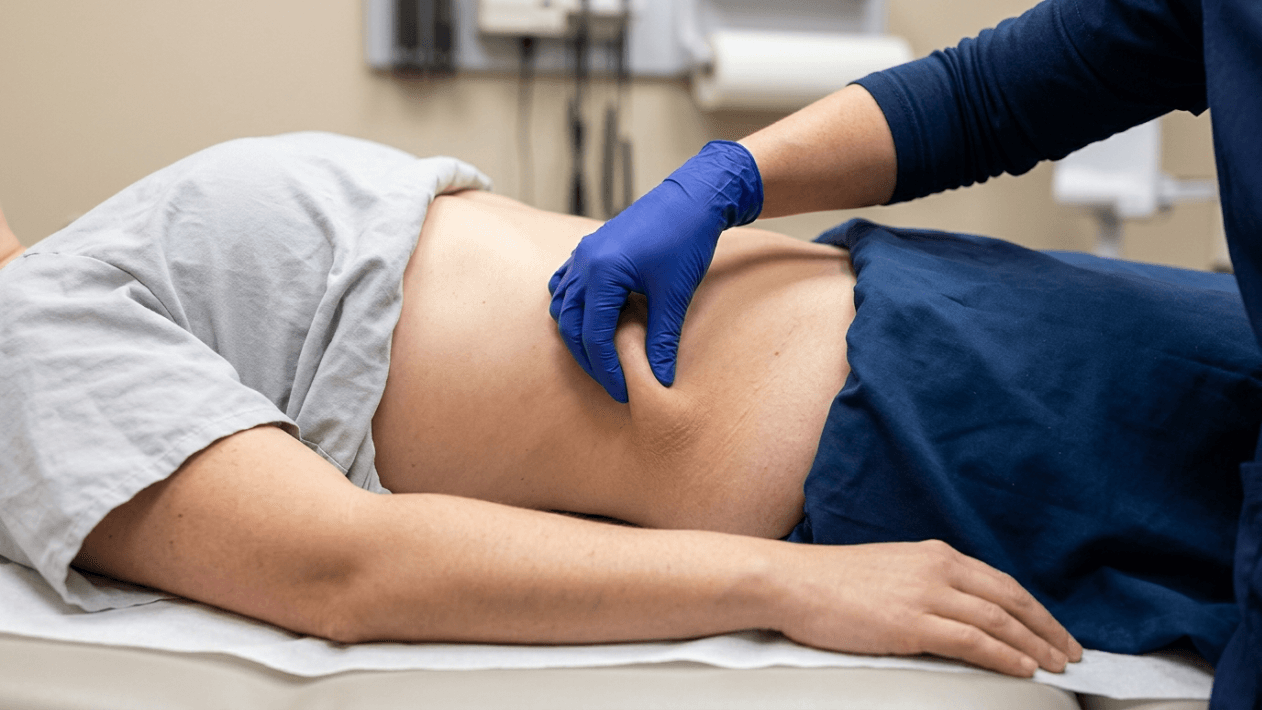


A tummy tuck, medically known as abdominoplasty, is a surgical procedure designed to remove excess fat and skin from the abdominal area while restoring weakened or separated muscles. This transformative operation is not merely about aesthetics; it addresses functional concerns such as muscle separation (diastasis recti) and skin laxity, often resulting from pregnancy, significant weight loss, or aging. In 2026, advancements in surgical techniques and recovery protocols have made abdominoplasty safer and more effective than ever before.
This guide provides a detailed breakdown of what a tummy tuck entails, the tissues it targets, and the general procedure. Whether you’re considering this surgery for personal or medical reasons, understanding its logic and benefits is the first step toward making an informed decision.

Understanding the Core Logic of a Tummy Tuck
A tummy tuck is not a substitute for weight loss or a healthy lifestyle. Instead, it focuses on restoring the abdominal region’s natural contours by addressing three primary issues:
- Excess Skin: Skin that has lost elasticity due to pregnancy, aging, or weight fluctuations cannot always bounce back. A tummy tuck removes this sagging skin, creating a smoother, firmer appearance.
- Stubborn Fat Deposits: Localized fat pockets resistant to diet and exercise are surgically excised or liposuctioned during the procedure.
- Muscle Separation (Diastasis Recti): Pregnancy or significant weight gain can cause the abdominal muscles to separate. A tummy tuck repairs this separation, restoring core strength and stability.
By addressing these issues, a tummy tuck helps patients achieve a flatter, more toned abdomen that aligns with their body goals.
The Tissues Targeted During Abdominoplasty
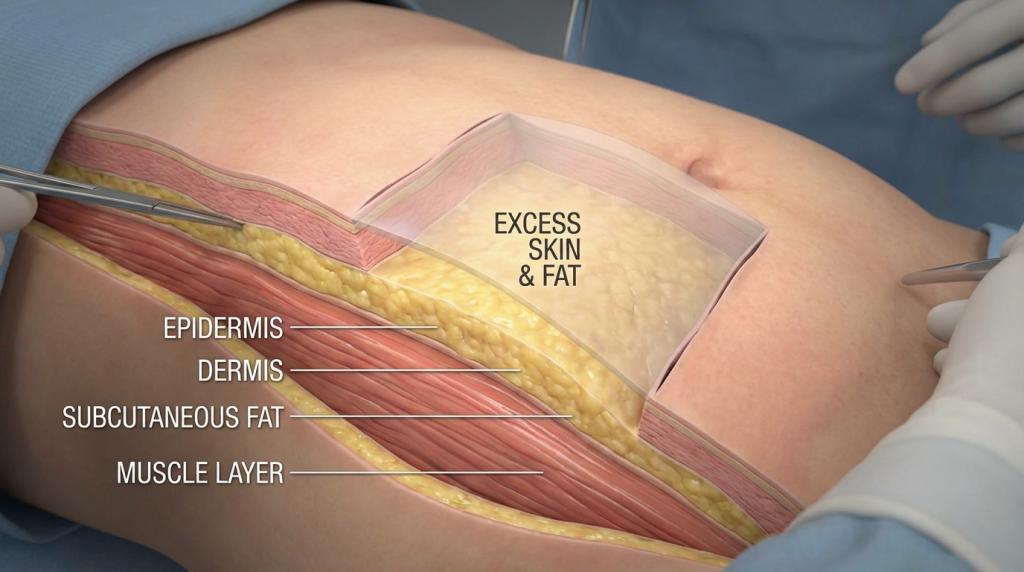
An abdominoplasty is a meticulously planned procedure that targets specific tissues to deliver optimal results. Here’s a breakdown of the key areas addressed:
1. Skin
The most visible change after a tummy tuck is the removal of excess skin. This skin often hangs loosely, especially after significant weight loss or multiple pregnancies. Surgeons make strategic incisions—typically low on the abdomen—to excise this skin while minimizing visible scarring. The remaining skin is then pulled taut and sutured into place, creating a smoother, more youthful appearance.
2. Fat
While a tummy tuck is not a weight-loss procedure, it does involve the removal of localized fat deposits. Liposuction is often used in conjunction with abdominoplasty to sculpt the waistline and enhance the overall contour. This step ensures that the abdominal area appears not only tighter but also more proportionate to the rest of the body.
3. Muscles
One of the most critical aspects of a tummy tuck is the repair of separated or weakened abdominal muscles. This condition, known as diastasis recti, occurs when the connective tissue between the left and right abdominal muscles stretches or tears. Surgeons suture these muscles back together, restoring core strength and improving posture. This step is particularly beneficial for individuals who have experienced multiple pregnancies or significant weight fluctuations.

The Abdominoplasty Procedure: Step-by-Step
Understanding the steps involved in a tummy tuck can alleviate anxiety and help you prepare for the surgery. Here’s a detailed overview of what to expect:
1. Preoperative Preparation
Before the surgery, your surgeon will conduct a thorough evaluation, including medical history, physical examination, and possibly imaging tests. You’ll receive specific instructions on how to prepare, such as avoiding certain medications, quitting smoking, and arranging for postoperative care. This phase ensures that you are physically and mentally ready for the procedure.
2. Anesthesia
Abdominoplasty is performed under general anesthesia, ensuring you remain comfortable and pain-free throughout the procedure. Your anesthesiologist will monitor your vital signs and adjust the anesthesia as needed.
3. Incision and Tissue Removal
The surgeon begins by making a horizontal incision between the hip bones, just above the pubic area. The length and shape of the incision depend on the amount of skin to be removed. Through this incision, excess skin and fat are excised, and the abdominal muscles are repaired if necessary. The remaining skin is then repositioned and sutured.
4. Navel Repositioning
Since the skin is pulled taut, the navel (belly button) must be repositioned to maintain a natural appearance. The surgeon creates a new opening for the navel and sutures it into place.
5. Closure and Recovery
Once the necessary adjustments are made, the incisions are closed with sutures, and dressings or compression garments are applied to support the healing process. You’ll be moved to a recovery area, where medical staff will monitor you as you wake up from anesthesia.

Recovery and Results: What to Expect
Recovery from a tummy tuck varies depending on the extent of the surgery and individual healing factors. However, most patients can expect the following timeline:
- First Week: You’ll experience swelling, bruising, and discomfort, which can be managed with prescribed pain medication. Mobility will be limited, and you’ll need assistance with daily activities.
- 2-4 Weeks: Swelling begins to subside, and you can gradually resume light activities. However, strenuous exercise and heavy lifting should be avoided.
- 6-8 Weeks: Most patients return to their normal routines, including work and exercise, as the body continues to heal.
- 3-6 Months: Final results become visible as swelling fully resolves and the abdominal area settles into its new contour.
It’s important to follow your surgeon’s postoperative instructions carefully to ensure a smooth recovery and optimal results.
Who Is an Ideal Candidate for a Tummy Tuck?
While a tummy tuck can deliver transformative results, it’s not suitable for everyone. Ideal candidates typically meet the following criteria:
- Individuals at a stable, healthy weight.
- Non-smokers or those willing to quit smoking before and after surgery.
- People with realistic expectations about the outcomes.
- Individuals bothered by excess abdominal skin or muscle separation.
- Those committed to maintaining a healthy lifestyle post-surgery.
If you’re considering a tummy tuck, consult with a board-certified plastic surgeon to determine if this procedure aligns with your goals and health status.
Potential Risks and Complications
As with any surgical procedure, a tummy tuck carries potential risks. These may include:
- Infection at the incision site.
- Bleeding or hematoma (collection of blood outside blood vessels).
- Scarring, which can be minimized with proper care.
- Numbness or changes in skin sensation.
- Blood clots, which are rare but serious.
- Poor wound healing or skin loss.
Choosing an experienced, board-certified surgeon significantly reduces these risks. During your consultation, discuss any concerns and ensure you fully understand the potential complications.

Why Choose a Tummy Tuck in 2026?
Advancements in medical technology and surgical techniques have made tummy tucks safer and more effective than ever. In 2026, patients benefit from:
- Minimally Invasive Options: Techniques such as endoscopic abdominoplasty allow for smaller incisions and reduced recovery times.
- Enhanced Recovery Protocols: Improved pain management and postoperative care plans ensure a smoother recovery.
- Personalized Results: Surgeons use advanced imaging and 3D modeling to tailor the procedure to each patient’s unique anatomy and goals.
- Long-Lasting Outcomes: With proper care and a healthy lifestyle, the results of a tummy tuck can be maintained for years.
If you’re ready to achieve a flatter, more toned abdomen, a tummy tuck may be the solution you’ve been looking for. Consult with a qualified surgeon to explore your options and take the first step toward a more confident you.
Frequently Asked Questions
What is the difference between a full and mini tummy tuck?
A full tummy tuck addresses the entire abdominal area, including the upper and lower abdomen, while a mini tummy tuck focuses solely on the lower abdomen. The choice depends on the extent of excess skin and muscle separation.
How long does a tummy tuck procedure take?
A typical tummy tuck procedure takes between 2 to 5 hours, depending on the complexity and whether additional procedures, such as liposuction, are performed.
Will a tummy tuck leave visible scars?
Yes, a tummy tuck will leave a scar, but it is strategically placed low on the abdomen, where it can be easily concealed by clothing or swimwear. Over time, the scar will fade and become less noticeable.
Can I get pregnant after a tummy tuck?
While it is possible to get pregnant after a tummy tuck, it is generally recommended to wait until you have completed your family planning. Pregnancy can stretch the abdominal muscles and skin, potentially reversing the results of the surgery.
How much weight can I expect to lose with a tummy tuck?
A tummy tuck is not a weight-loss procedure. However, patients typically lose between 2 to 5 pounds of excess skin and fat. The primary goal is to achieve a flatter, more toned abdomen rather than significant weight loss.
When can I return to work after a tummy tuck?
Most patients can return to light work within 2 to 4 weeks, depending on their recovery progress. Jobs that require physical labor may necessitate a longer recovery period.