Regain your natural hairline and density permanently using advanced follicular unit extraction techniques.

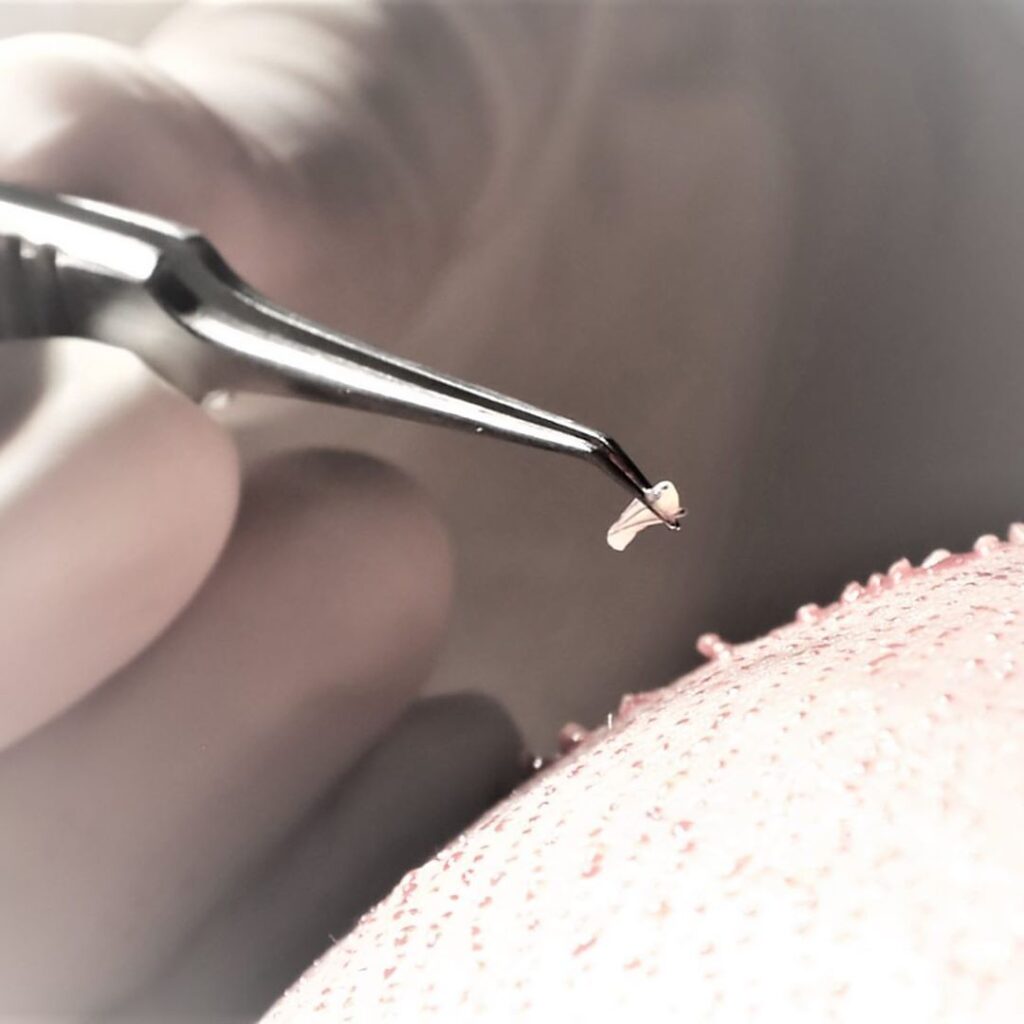
Regain your natural hairline and density permanently using advanced follicular unit extraction techniques.
Hair transplantation is a surgical procedure for treating hair loss or hair thinning.1 It involves transferring healthy hair roots (follicular units) taken from a donor area (usually the back of the head or other parts of the body) to the areas experiencing hair loss (recipient area).2
Hair transplantation can be performed on almost anyone who experiences hair thinning or hair loss, regardless of age.
Requirements: The hair loss must not be related to an active scalp disease (such as Alopecia Areata or a fungal infection). The individual must also have healthy, viable hair roots available in the donor area.
The most suitable donor area is the scalp itself.
Primary Donor Site: Hair roots located at the rear part of the head (the nape/nucha) are genetically resistant to shedding, remaining alive for the duration of life. Hair transplantation is achieved by moving a portion of these non-shedding roots to the balding area.
Secondary Donor Sites: Hair roots can also be taken from the beard or the anterior part of the trunk (chest).3 However, the success rate and survival ratio of these body hair roots are typically lower compared to those taken from the scalp.
| Technique | Acronym | Description | Scarring |
| Follicular Unit Transplantation | FUT | A thin strip of scalp containing hair roots is surgically removed from the nape, and roots are separated under a microscope. | Causes a thin, linear scar in the donor area, leading to its less frequent use today. |
| Follicular Unit Extraction | FUE | Hair roots (follicular units) are extracted individually using a thin-tipped punch device. | The most significant advantage is that no linear scar remains on the nape region; only tiny, scattered puncture marks. |
| Direct Hair Implantation | DHI | Extracted hair roots are transplanted directly into the recipient area using a specialized pen-like device (Choi pen). | Eliminates the need to pre-form separate recipient channels, resulting in a more controlled process that may shorten the overall procedure time. |
| Robotic Hair Transplantation | N/A | A specially designed robotic instrument is used primarily to extract hair roots, aiming for minimal root loss. Transplantation is then performed using classical methods. | This technology still requires experienced medical supervision for optimal results. |
Anticoagulants (Blood Thinners): If you are using blood-thinning drugs, you must cease use 7 to 10 days before by consulting your doctor.
Supplements/Medications: Inform your physician about all medications, nutritional supplements, and slimming teas, as some may increase bleeding risks.4
Allergies: Please definitely inform your physician of any allergies toward any substance or medication.
Smoking: Patients are strongly advised to cease smoking at least three weeks before the surgery, as it negatively impacts the healing process.
Alcohol: No alcohol should be consumed for one week before the surgery.
Fasting: It is beneficial to have a light snack before coming to surgery, although the patient should not be hungry (fasting) for at least six hours if general anesthesia is planned.
Preparation: While coming to the surgery, hairs should be washed (no hair gel, mousse, or care products applied).5 Do not wear makeup or jewelry/piercings.
How long does the hair transplantation procedure last?
Hair transplantation lasts four to eight hours, according to the size of the transplantation area.6 The process involves:
Hair roots are taken (extraction phase).7
A break is taken for resting.
The transplantation procedure (implantation phase) is performed.
The procedure is terminated by performing final dressings.
Initial Swelling/Bruising: Swelling and bruising will occur in the face and neck for several days after the procedure. This is normal and will disappear spontaneously.
Protection: You must protect the transplanted area from friction and impacts.8
Sleeping: You should lie supine (on your back) while sleeping.9 Lying on your sides or turning over may damage the transplanted roots.
Washing: The first wash will be performed by the clinic, and you will be instructed on the correct washing technique thereafter.
Medication: You must use the prescribed medications (e.g., antibiotics, pain relievers) as instructed.10
Restrictions (2 Weeks): No sport activity, bath, sauna, or hairdresser procedures should be applied for two weeks.
Substance Avoidance: Do not use blood-thinning drugs or herbal supplements for ten days following the surgery. Avoid consuming tobacco products as much as possible, as smoking impairs wound healing and causes roots to die.11 Avoid alcohol for fifteen days.
Donor Area: Small rashes and pustules may appear in the donor region; these will disappear by themselves with proper use of prescribed medications and washing.
Following the hair transplantation, when do the hairs start to grow?
The transplanted hair roots typically enter a resting phase (telogen effluvium) shortly after the procedure, meaning the transplanted hair will shed within the first month. New, permanent hair growth usually begins around 3 to 4 months after the transplantation, with noticeable growth appearing between 6 to 9 months, and full maturity reached at 12 to 18 months.
Once a hair transplantation was done, could another transplantation be performed afterwards?
Yes, another hair transplantation can be performed afterwards, provided two conditions are met:
The surgeon determines that the existing donor area still has sufficient density of healthy, viable hair roots available for extraction.
The recipient area requires further density or the patient is experiencing continued hair loss in non-transplanted areas.
WhatsApp ile bize ulaşın.
Powered by e42art