Restore youthful fullness to your face using your body’s own natural fat for long-lasting, organic results.

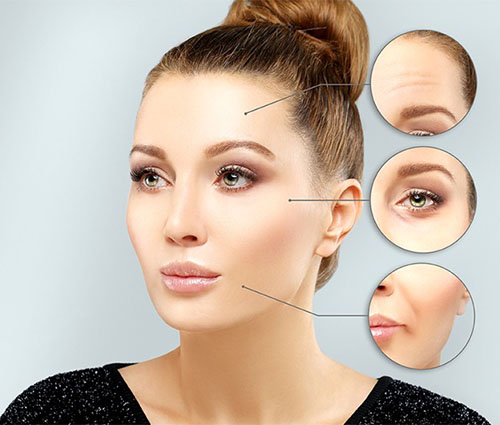
Restore youthful fullness to your face using your body’s own natural fat for long-lasting, organic results.
Fat grafting is a procedure where fat cells are carefully extracted from one area of the body (harvested), purified, and then transferred to another area for therapeutic and aesthetic purposes, primarily to restore volume.
Fat grafting is used in the face to:
Restore volume to the cheeks and temporal (temple) regions.
Eliminate under-eye hollows and correct dark under-eye rings.
Softens deep facial lines and folds (e.g., nasolabial folds).
Correct indentations from acne scars and other facial wounds.
Fat cells are harvested carefully using specialized cannulas to protect their vitality. The extracted fat is then processed—usually through concentration or washing procedures—to purify the cells. Finally, the purified fat is transferred to the targeted facial areas using very fine cannulas.
Fat can be harvested from any region where sufficient fat accumulation exists. The most common donor sites include the:
Abdominal area
Waist/Flanks
Hips (love handles)
For instance, if a patient has both under-eye hollows and a submental fat deposit (double chin), fat taken from the jowl area can be transferred to the under-eye region. This simultaneously addresses the jowl fat and corrects the facial volume loss.
Anticoagulants (Blood Thinners): If you are using blood-thinning drugs, you must cease using them 7 to 10 days before the procedure, following consultation with your prescribing doctor.
Supplements: Certain drugs, vitamins, nutritional supplements, and herbal teas (like slimming teas) can also have blood-thinning effects and increase bleeding during recovery. It is critical to inform your physician of everything you take.
Allergies: Please definitely inform your physician if you have any allergies toward any substance or medication.
Alcohol: No alcohol should be consumed for one week before the procedure.
Smoking: Smoking significantly and unfavorably affects the vitality and survival rate of the fat cells.
We recommend patients consuming tobacco products cease smoking at least three weeks before the surgery.
Tobacco products should not be consumed for at least ten days following the procedure.
On the Day of Procedure: Do not wear makeup or jewelry/piercings while coming to the surgery.
Fat grafting is typically performed under local anesthesia. Anesthetic is applied to both the donor area (where the fat is extracted) and the recipient area (where the fat is injected). Patients generally do not feel significant pain during the procedure itself.
How long does the fat grafting application last? (Note: This was missing in your original text, so a standard estimate is provided.) The fat grafting procedure usually lasts between 1 to 2 hours, depending on the number of areas being treated and the volume of fat required.
Following the fat grafting application, how long does the recovery last, and when can the patient return to social and professional life?
Return to Routine: Following the application, patients can typically return to their job and social life within two to five days.
Swelling/Bruising: While swelling and bruising may persist longer, initial recovery is relatively quick.
What kind of marks remain after the fat grafting application? Fat grafting is performed by making several small entry points (holes) for the cannulas. The marks from these tiny holes are minimal and usually diminish with time until they are barely noticeable.
What is the longevity (persistency) of the transferred fat?
Initial Retention: Approximately 60% to 70% of the transferred fat cells typically survive and “take” in the recipient area. The survival rate varies from individual to individual.
Factors Decreasing Persistency: Factors such as tobacco use, alcohol consumption, the presence of an underlying disease, or frequent massage application to the face can decrease the fat survival rate.
Long-Term: The fat cells that successfully survive are lifelong. However, since the rest of the face continues to age and lose volume over time, a need for a revision (touch-up) procedure may arise approximately every two years to maintain optimal results.
WhatsApp ile bize ulaşın.
Powered by e42art