Enhance the size and shape of your breasts to achieve a feminine silhouette that complements your body proportions.
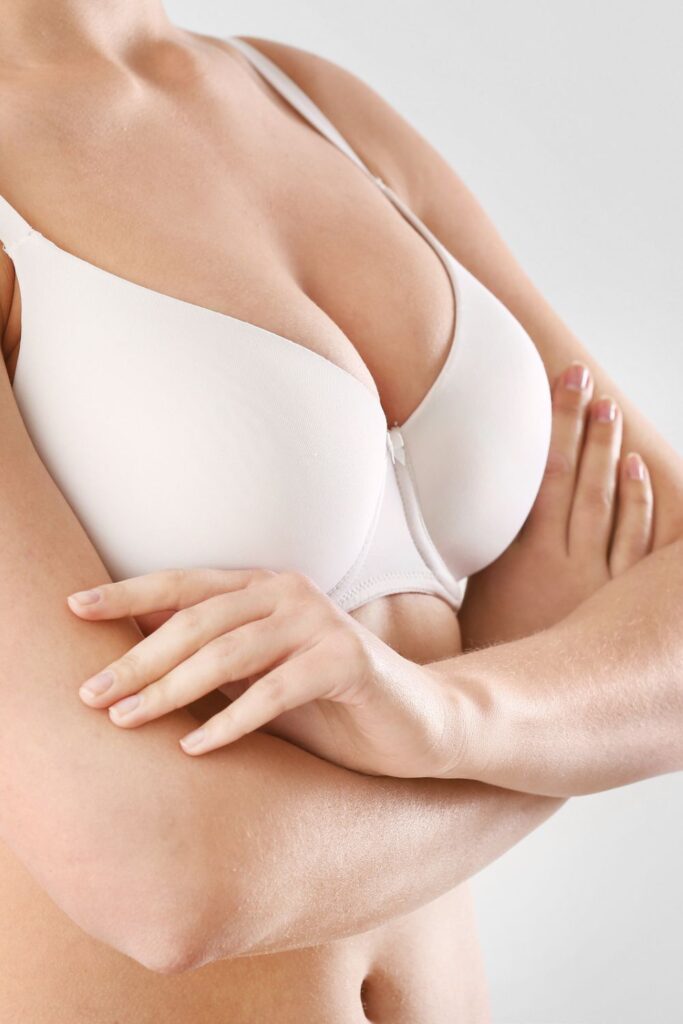
Enhance the size and shape of your breasts to achieve a feminine silhouette that complements your body proportions.
Breast augmentation, commonly known as a “breast enlargement” or “boob job,” is a surgical procedure designed to increase the size and improve the shape of a person’s breasts.1
Smaller breast size is highly variable among individuals and can be attributed to several factors, including:
Genetic factors.
Hormonal imbalances.
Certain medical conditions.
Nutritional factors.
Changes that occur following pregnancy and breastfeeding.
If you have concerns regarding breast development, it is best to consult with a healthcare professional for an accurate assessment.
There are several techniques used for this procedure:
| Technique | Placement | Recommended For | Result/Note |
| Subglandular | Over the chest muscle, behind the breast tissue. | Women with sufficient existing breast tissue. | Provides a more noticeable increase in cup size. |
| Submuscular | Beneath the chest muscle (Pectoralis Major). | Women with minimal breast tissue. | Aims for a more natural appearance as muscle provides coverage. |
| Fat Transfer | Fat harvested via liposuction is injected into the breasts. | Women desiring a relatively small increase in size. | Also allows for slight body contouring in the donor area. |
Before undergoing breast augmentation, several steps are crucial for a safe and successful procedure:
Consultation: Schedule an appointment with a board-certified plastic surgeon to discuss your goals, expectations, and concerns. The surgeon will assess your health and suitability for the surgery.2
Medical Evaluation: You may be required to undergo a medical evaluation to assess your overall health and screen for any underlying conditions.
Discussion of Options: Your surgeon will thoroughly discuss implant types (saline/silicone), implant size, placement options, and incision techniques.3
Pre-operative Instructions: You must follow specific instructions, such as:
Avoiding certain medications (especially blood thinners).4
Fasting (not eating or drinking) after midnight the night before the surgery.5
Arranging for transportation and help at home during recovery.
Risk Discussion: Your surgeon will explain the potential risks and complications.6 It’s important to have a realistic understanding of the outcomes.
Preparing for Recovery: You will be advised on what to expect regarding pain, swelling, and activity restrictions.
How long does the procedure typically last?
Breast augmentation surgery can take anywhere from one to three hours.7 This duration includes preparation, anesthesia administration, implant placement, and closing the incisions.
Does breast augmentation require hospitalization?
(Note: This was a question without an answer in your original text.)
Breast augmentation is typically performed as an outpatient procedure in a surgical center or hospital setting.8 Patients generally do not require hospitalization and are discharged to recover at home the same day, provided they are stable and healthy.9
Determining the correct implant size is critical for a natural and successful result. Factors taken into account include:
Patient’s Breast Width: This is the most important factor. Implants must fit within the existing breast footprint.10
Anatomical Structure: The size, shape (round vs. anatomical/teardrop), height, and projection (width) of the implant must align with the patient’s chest anatomy.11
Aesthetic Goals: The surgeon ensures the size choice is aesthetically appropriate.12 Choosing an implant that is too large for a small breast size may cause the implants to protrude into the armpit, leading to an undesirable appearance.
Correct measurements and selection lead to less post-operative pain and more natural-looking breasts.
How long does the recovery period last?
The initial recovery period lasts around 4 to 6 weeks. Discomfort, soreness, and swelling are managed with prescribed pain medication in the first few days.13
Will breast augmentation result in visible scars?
Yes, scars will result from the incisions, but surgeons use various techniques to minimize their visibility:14
Incision Locations: Scars are typically placed strategically: around the areola, under the breast fold (inframammary fold), or in the armpit (axillary).15
Fading: Over time, scars tend to fade and become less noticeable.16
How soon can I drive after breast surgery?
Driving should be avoided until you meet three conditions:
The effects of anesthesia have completely worn off (usually 24–48 hours).
Pain is manageable with over-the-counter pain relievers (prescription pain medication prohibits driving).
You have full range of motion in your upper body to steer, brake, and maneuver quickly in an emergency.
It is generally recommended to wait about 1 to 2 weeks after surgery before driving. You should also ensure the seatbelt is comfortable across your chest.
For more information about breast augmentation surgery or to schedule a consultation, please contact Sibel Atalay Aesthetic Clinic in Antalya.
WhatsApp ile bize ulaşın.
Powered by e42art